Naegohyang Women’s FC to Visit South Korea for 2025–26 AFC Women’s Champions League
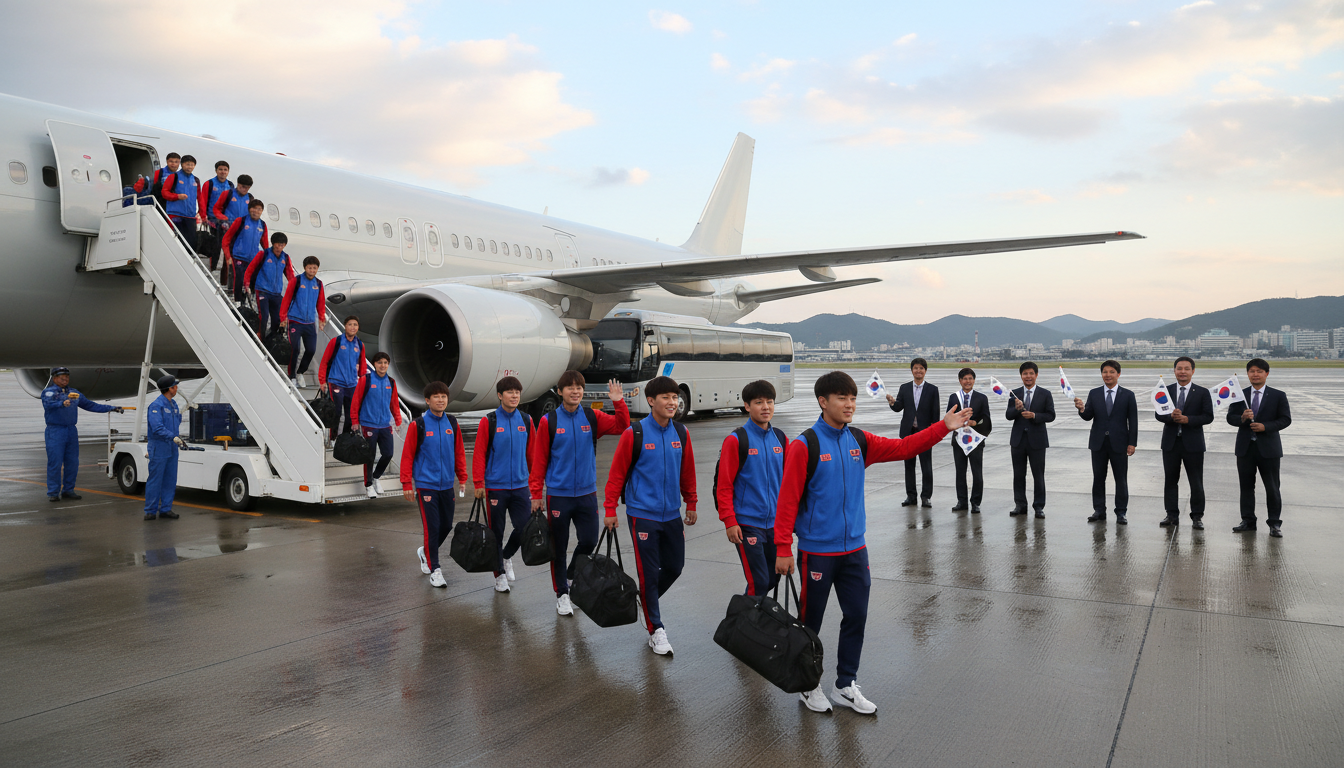
Naegohyang Women’s FC will travel to South Korea to compete in the 2025–26 AFC Women’s Champions League, marking the first visit by a North Korean sporting delegation to the South in eight years. The Korea Football Association confirmed the club’s intention to participate and said it will seek government approval and coordinate safety arrangements. The announcement raises expectations that high-level regional competition could briefly bridge strained inter‑Korean relations while logistical and diplomatic hurdles remain.

Team Entry Confirmed by KFA
The Korea Football Association issued a statement confirming it had been notified by the Asian Football Confederation of Naegohyang Women’s FC’s intention to enter the continental tournament. The KFA said it will proceed with the necessary government approval procedures to clear the team’s travel and participation. Officials emphasized that the association will coordinate closely with relevant ministries to ensure compliance with national regulations and to manage the practical steps required for the visit.
The KFA also indicated it would handle routine administrative tasks such as accreditation, match scheduling liaison and coordination with local clubs and stadium operators. While the statement did not list specific dates or venues, it made clear that the AFC had accepted an expression of interest from the North Korean club for the 2025–26 campaign. The confirmation triggered a series of expected diplomatic and security reviews ahead of any visa issuance or flight authorizations.
Government Approval and Safety Measures Underway
South Korean authorities will review the application through existing interagency channels before issuing permission for the team’s travel, a process the KFA said it would support. The security and foreign affairs ministries commonly assess such visits for risks to public safety and national security, as well as for compliance with international sanctions and travel restrictions. The KFA told reporters it will provide welfare arrangements and monitor the team’s needs while on South Korean soil.
Officials in Seoul have historically balanced sporting access with political sensitivities when teams from the North have sought entry for competitions. The association’s pledge to work with government agencies reflects an effort to streamline clearances and to define responsibilities around transport, accommodation and medical support. The KFA also flagged contingency planning should any diplomatic complications arise before the matches are played.
Logistics, Accommodation and Matchday Operations
Organizing the arrival and stay of an overseas club involves multiple logistical strands, from secure transport to training facilities and matchday security. Local organizers and host clubs will need to arrange appropriate hotels, training pitches and controlled access to stadiums while respecting the visiting delegation’s dignity and privacy. The KFA has committed to ensuring the team’s welfare and to coordinating with local policing and health services.
Tournament hosts typically designate specific entry points at airports and use sealed transport corridors for visiting teams, measures that can be adapted to address heightened sensitivities when delegations come from politically sensitive countries. Medical checks, anti‑doping controls and standard competition accreditation will be applied equally to all clubs, and the AFC will retain overall authority on competition protocols. Organizers must also plan for media access, bilateral briefings and fan management around matches.
AFC Women’s Champions League Context
The AFC Women’s Champions League is the region’s premier club competition for women’s football, bringing together champion sides from domestic leagues across Asia. Clubs progressing through group and knockout stages contest continental honors and qualification routes for further international competition. The 2025–26 edition will feature a mix of established professional teams and emerging sides, with national associations responsible for confirming entrants and meeting AFC requirements.
According to the KFA notice, if Naegohyang advance to later rounds, the team would remain in South Korea for the final stages of the competition hosted there. That possibility means South Korean organizers must be prepared to host extended stays and additional fixtures should the North Korean side progress. The AFC’s calendar and match allocations will ultimately determine the exact dates and venues of fixtures involving the visiting club.
Implications for Inter‑Korean Sporting Diplomacy
A North Korean football club traveling to the South carries diplomatic symbolism that extends beyond the pitch, given a lack of sustained official contact between the two governments. Sporting exchanges have periodically been used as low‑risk channels for limited engagement, and the club’s arrival would mark the first such visit by North Korean athletes since 2018. Observers note the visit could be framed as a technical sporting event while also offering a window for quieter person‑to‑person contacts between officials and players.
At the same time, Pyongyang’s continued characterization of Seoul as a hostile state will complicate any broader political reading of the trip. For many in South Korea and abroad, the priority in staging these matches will be ensuring that sporting integrity and participant safety are preserved while avoiding the politicization of on‑field competition. The KFA has framed its role as strictly sporting, underscoring that the matches should proceed under the rules and norms that govern international club competition.
Stakeholder Reactions and Potential Scenarios
Domestic stakeholders, including host clubs, local governments and fans, will play a role in shaping the reception and matchday environment should Naegohyang appear. The AFC retains authority to enforce competition standards and to adjudicate any disputes arising from fixtures, while the KFA and local organizers will handle operational matters. Public commentary in South Korea is likely to range from supportive interest in the sporting contest to scrutiny over security and diplomatic implications.
Several scenarios could unfold depending on approvals and on‑field results: a straightforward group‑stage visit with limited fanfare, an extended stay should the team reach later rounds, or a postponement or cancellation if security clearances are not granted. The KFA’s stated commitment to welfare and coordination seeks to address the first two outcomes, while contingency frameworks are being readied to respond quickly to any change in status.
The confirmation of Naegohyang Women’s FC’s intent to participate in the 2025–26 AFC Women’s Champions League sets in motion a delicate interplay of sport, logistics and diplomacy. As of May 4, 2026, the KFA has begun the formal procedures required for the visit, and stakeholders on both sides of the border are preparing for the practical steps that will determine whether and when the team will arrive.