KFA raid: Seoul police search Korea Football Association over Hong Myung-bo appointment
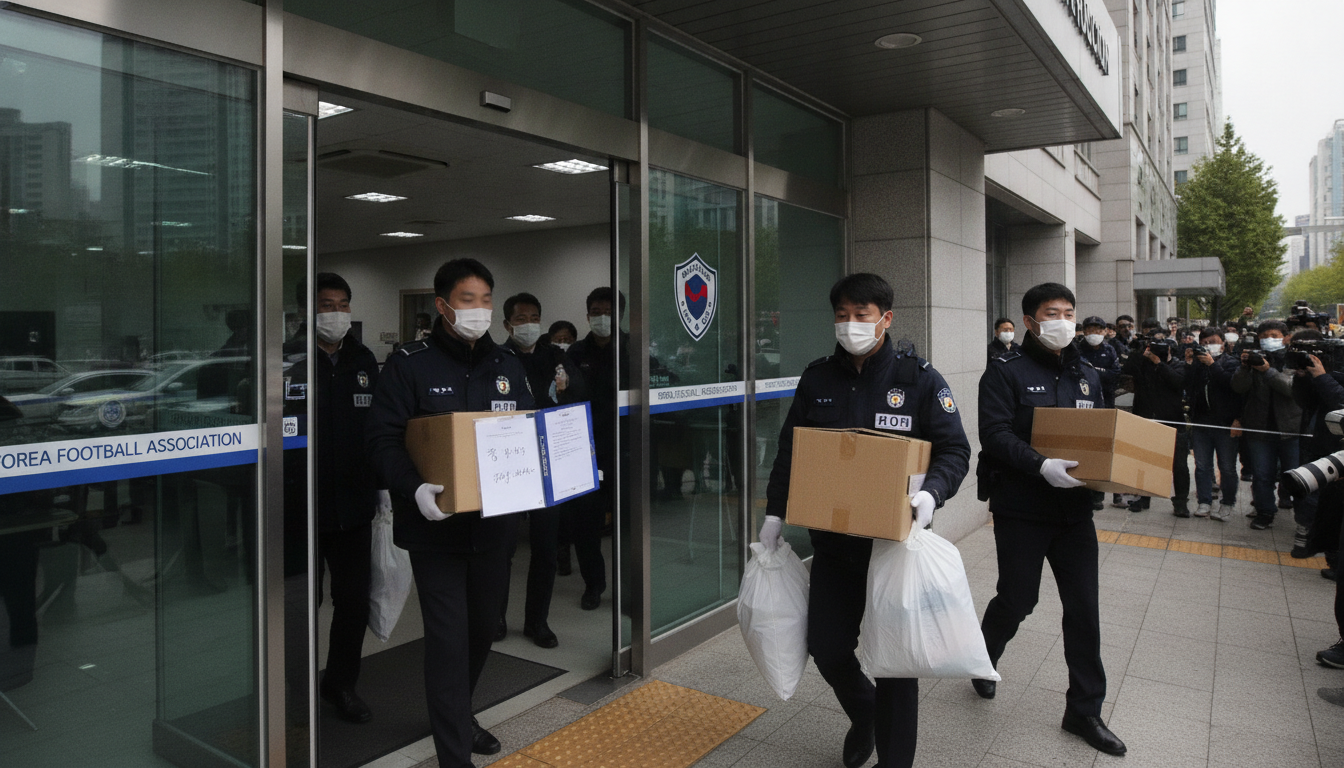
Seoul police executed a KFA raid on Thursday, carrying out search and seizure operations at the Korea Football Association headquarters as part of an inquiry into the recruitment of former national coach Hong Myung-bo. The KFA raid centers on allegations of "obstruction of business" linked to Hong’s 2024 appointment, an investigation that has intensified following South Korea’s early exit from the World Cup.

Police raid KFA headquarters in Seoul
Police officers entered the KFA headquarters and conducted searches aimed at gathering documents and electronic records related to the association’s internal decision-making. A police spokesman said investigators from a financial crimes unit were involved and that the operation was focused on determining whether unlawful obstruction occurred during the coach selection process.
Authorities described the action as a targeted enforcement step rather than a broad criminal sweep, emphasizing that search and seizure measures were intended to collect material evidence. Officials declined to characterize the stage of the probe beyond confirming that inquiries centered on the circumstances surrounding the appointment.
Probe centered on 2024 appointment of Hong Myung-bo
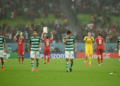
At the heart of the investigation is the 2024 recruitment of Hong Myung-bo, a former national team captain who was appointed head coach amid questions from observers and media at the time. Hong, 57, resigned in June after South Korea failed to progress beyond the group stage at the expanded 48-team World Cup hosted by the United States, Mexico and Canada.
The team’s campaign collapsed after a shock 1-0 defeat to South Africa, a result that underlined broader concerns about selection, preparation and performance. Seoul police said the inquiry will examine whether procedural irregularities or improper influences shaped the appointment that led to Hong’s tenure.
Allegations of improper intervention by senior KFA officials
Local media have reported that investigators are probing whether senior KFA officials improperly intervened in the hiring process, potentially violating the association’s internal rules and governance protocols. Those reports suggest the focus is not solely on a single individual but on whether institutional processes were bypassed to favor a particular candidate.
Police statements referenced potential charges of “obstruction of business,” a legal category that can encompass acts intended to impede official procedures or interfere with organizational decision-making. Investigators are expected to review meeting minutes, correspondence and personnel records to establish whether any directives or actions contravened established selection procedures.
Timeline: From 2024 appointment to World Cup exit
Hong’s appointment in 2024 was followed by a campaign to rebuild the national side ahead of the 2026 World Cup cycle, but the team’s performances failed to meet public and institutional expectations. The World Cup itself, expanded to 48 teams and staged across three countries, presented new competitive dynamics that many federations found challenging.
After group-stage elimination in June and Hong’s subsequent resignation, scrutiny of the KFA’s earlier decisions intensified, prompting inquiries from both media outlets and authorities. The police action on Thursday represents a distinct escalation from commentary and criticism to a formal investigative process seeking documentary evidence.
Legal and institutional implications for Korean football
If investigators conclude there were breaches of internal rules or evidence of obstruction, the probe could lead to criminal charges, administrative sanctions, or calls for structural reform within the KFA. Legal exposure for officials would likely trigger resignations, disciplinary measures and possibly civil litigation depending on the nature of any findings.
Beyond individual accountability, the case raises questions about governance practices in South Korean football, including transparency in high-profile appointments and the safeguards in place to prevent conflicts of interest. Stakeholders in the sport — from sponsors to domestic leagues and supporter groups — are likely to press for clearer oversight and stronger checks on decision-making if institutional lapses are confirmed.
Reaction from fans, media and next procedural steps
Reaction within Korea’s football community has been swift, with local media intensifying scrutiny and supporters voicing concern over both the World Cup failure and the allegations surrounding the hiring process. Commentators have argued that the police action is a necessary step to restore confidence, while others cautioned that the probe must be allowed to run its course before judgments are made.
Procedurally, investigators will analyze materials gathered during the searches and may interview KFA officials, committee members and other parties involved in the 2024 selection. Any formal charges would be determined by prosecutors based on evidence developed during the inquiry, and the association could face parallel internal reviews to assess governance failures and recommend reforms.
South Korea’s football authorities now face the dual task of cooperating with law enforcement and reassuring a disillusioned public, and the outcome of the investigation may shape governance and hiring practices for years to come. The case underscores the high stakes that accompany national team leadership choices and the scrutiny that follows when results fall short of expectations.
The investigation remains ongoing, and further developments are expected as police continue their review of documents and potential witness statements.