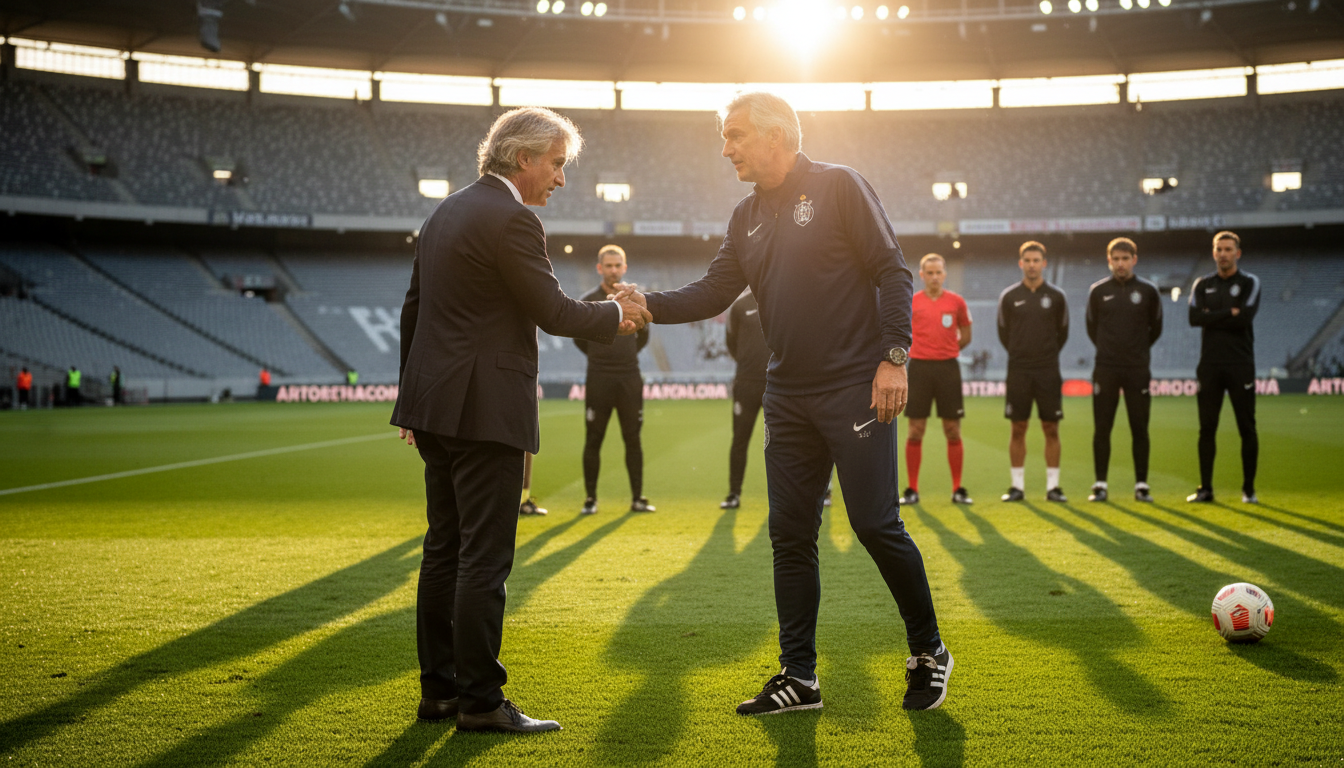
Waldemar Kita Retracts Criticism of Levante Coach Luís Castro and Apologises as Nantes Face Relegation
Waldemar Kita apologises for attacking Levante coach Luís Castro, retracting remarks and accepting responsibility as Nantes battle relegation in Ligue 1.


Kita withdraws public attack on Levante coach Luís Castro
Waldemar Kita issued a clear retraction this week after comments he made about Levante coach Luís Castro sparked controversy.
The Nantes president said a recent interview had been misinterpreted and moved quickly to clarify his position toward Castro.
Kita explicitly denied any personal animosity and described Castro as a respected football professional.
The statement, posted through the club, was framed as both an apology and an effort to stem growing tensions between the two clubs.
Details of the original interview and the disputed claim
In the initial interview, Kita criticised Luís Castro and suggested his involvement had been a serious mistake for another club.
He notably suggested that both Nantes and Levante could be relegated in the same season, a claim that drew immediate attention.
Those remarks provoked backlash from fans and media, prompting Kita to revisit his words and emphasize that some phrases had been taken out of context.
The president acknowledged the interview’s coverage had led to interpretations that did not reflect his true views.
Kita accepts responsibility for Nantes’ sporting crisis
Alongside the apology, Kita connected his comments to the wider problems inside Nantes and acknowledged personal responsibility.
He warned that the club’s sporting difficulties were collective, starting with the boardroom as well as the pitch.
Nantes currently sit second-from-bottom in Ligue 1 with 20 points, a position the club said leaves them five points adrift of the relegation playoff place and ten points from clear safety.
With nine points still available this season, Kita’s message stressed that decisions made at multiple levels had contributed to the precarious situation.
Club statement seeks to defuse a tense final stretch
The public release from Nantes framed the clarification as an effort to calm a volatile environment as both clubs enter the decisive phase of their respective seasons.
Kita’s language was conciliatory, aiming to withdraw the sharper elements of his earlier comments and to prevent any distraction from the relegation battles.
The statement also included a direct expression of goodwill toward Levante, underlining a wish for the Spanish side’s success in the closing matches.
That gesture appears intended to neutralize any cross-club fallout and to reaffirm basic professional respect between the parties.
Sporting context: what the results mean for Nantes and Levante
Nantes’ low standing in Ligue 1 places the club under acute pressure, with every remaining fixture carrying outsized significance for their survival hopes.
The difference in points to the playoff and safe positions leaves margin for recovery, but the margin is narrow and contingent on immediate improvement.
For Levante, the controversy comes amid their own fight for survival, where distractions can influence form and morale.
Both clubs will now be measured by how they respond on the field rather than in headlines as the season reaches its climax.
Potential reputational and relational fallout
Kita’s original remarks and the subsequent retraction highlight how quickly off-field comments can shape narratives and strain relations between clubs.
Even well-intentioned clarifications may not fully erase initial impressions among supporters and the wider football community.
Club leaders often face scrutiny for public statements during crises, and this episode underlines the thin line executives walk when speaking about peers and rivals.
How Nantes and Levante manage the aftermath — in media, in fan forums and on the pitch — will influence perceptions beyond the immediate results.
The apology represents an attempt to close a brief but sharp episode that had the potential to overshadow both teams’ final weeks.
By taking ownership of the club’s problems and offering a conciliatory message, Kita has tried to refocus attention on the football decisions that will determine Nantes’ immediate future.
Fans and analysts will monitor whether the move calms tensions or whether lingering mistrust affects relations between the clubs.
For now, both Nantes and Levante are under footballing pressure that can only be resolved through results and internal adjustments.
Kita’s statement closes this chapter with a public expression of respect toward Luís Castro and a pledge to confront Nantes’ challenges collectively.