Xavi Simons Ruled Out for Rest of Season After Right-Knee ACL Rupture
Xavi Simons will miss the rest of the season after rupturing the ACL in his right knee, Tottenham say; surgery is planned and 2026 World Cup hopes are in doubt.
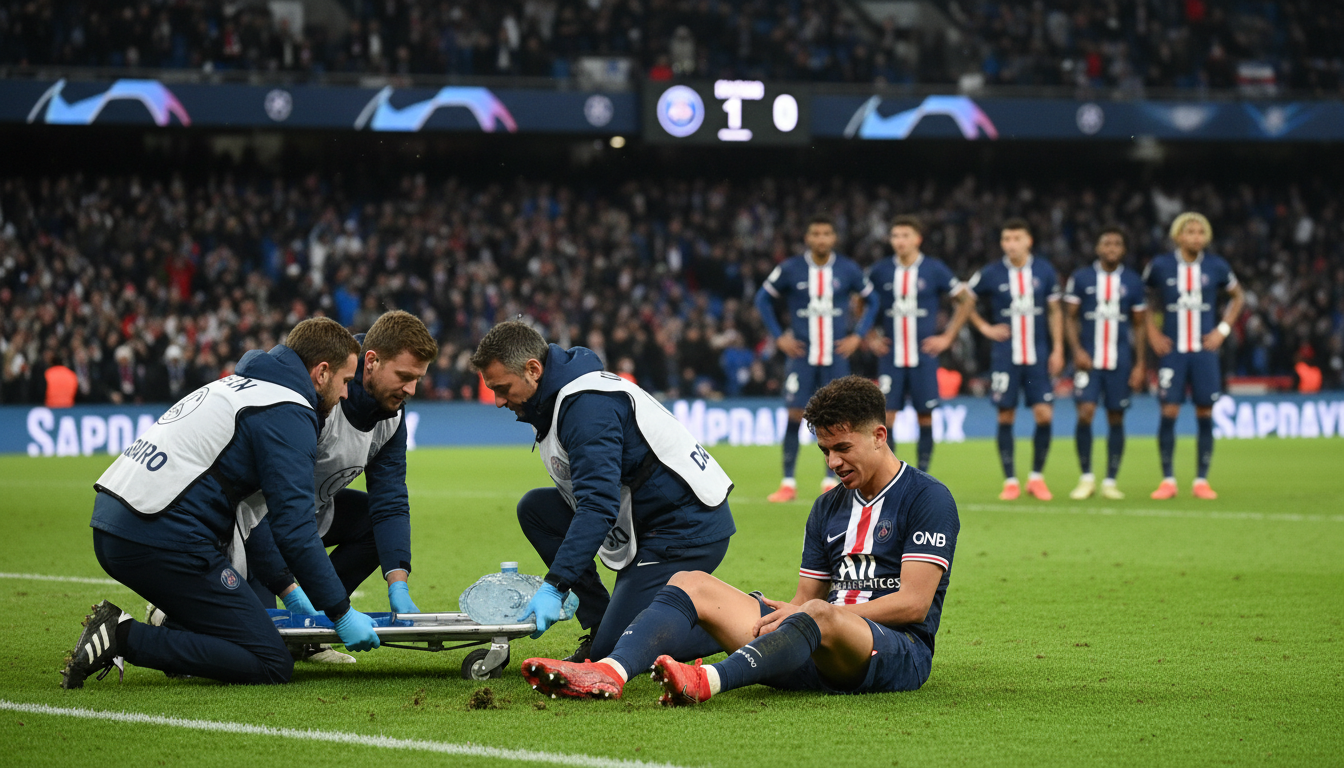
Tottenham Hotspur confirmed that midfielder Xavi Simons has suffered a ruptured anterior cruciate ligament in his right knee and will be sidelined for an extended period. The 23-year-old went down in the 58th minute of Saturday’s win at Wolverhampton Wanderers following a collision and was carried off on a stretcher. The injury ends his campaign and raises immediate questions about his availability for the 2026 World Cup.
Match Incident and Immediate Response
Simons sustained the injury during Tottenham’s 1–0 victory at Wolves when he collided with defender Hugo Bueno in the second half. He initially attempted to continue but quickly signalled he could not carry on and was substituted before being stretchered from the pitch. Head coach Roberto De Zerbi had suggested the player felt “better” after the game, but scans subsequently revealed a far more serious problem.
Medical staff at the stadium provided immediate attention and Simons was taken for further assessment after the match. The reaction from team-mates and opposing players was one of concern, with the mood in the dressing room tempered by the significance of the diagnosis. Support from the club and fans was swift, reflecting the scale of the blow to both player and team.
Tottenham Confirm Right-Knee ACL Rupture
In an official club statement on Monday, Tottenham said Xavi Simons had ruptured the anterior cruciate ligament in his right knee and would undergo surgery in the coming weeks. The club added that the midfielder would begin a programme of rehabilitation with the medical and performance staff following the operation. Tottenham offered their full support and sent their best wishes as he prepared for surgery and recovery.
The confirmation ends any immediate speculation over the severity of the problem and sets a clear path for treatment and rehabilitation. Spurs’ medical team will manage the recovery process in conjunction with specialist surgeons, and the club has indicated they will provide updates as milestones are reached. For now, the focus is squarely on the successful completion of surgery and a careful, structured return-to-play plan.
Surgery, Rehabilitation Timeline and Medical Expectations
An ACL rupture typically requires surgical repair followed by a lengthy rehabilitation period focused on restoring stability, strength and functional movement. Recovery timelines vary by individual, surgical technique and rehabilitation progress, but players often face between six and nine months before returning to competitive action. The precise timetable for Simons will depend on the surgeon’s findings, any associated damage and his response to rehabilitation.
Tottenham will be cautious in managing his return given the long-term importance of knee stability for an attacking midfielder who relies on agility and acceleration. The club’s performance staff will progressively increase load and complexity in training, with regular assessments to mark progress. While modern surgery and tailored rehab have improved outcomes, reintegration is measured and conservative to reduce the risk of re-injury.
World Cup 2026 Selection Now Uncertain for Simons
The injury also places Xavi Simons’ participation in the 2026 FIFA World Cup in doubt, with the tournament scheduled to take place from June 11 to July 19, 2026. Given the typical recovery window for an ACL rupture, selection for a major summer tournament will depend on the speed and success of surgery and rehabilitation. The Netherlands’ coaching staff will monitor his progress but must plan contingencies given the limited time before squad decisions are made.
Simons had been in contention to feature for the Dutch national team as a creative option in midfield, and his absence would remove a dynamic attacking presence from manager selection discussions. National team medical and coaching staff generally require players to demonstrate full fitness and competitive minutes before inclusion, which can be difficult to guarantee after such an injury. The situation will be watched closely by supporters and officials in the Netherlands as updates emerge.
De Zerbi’s Midfield Rebuild for the Run-In
Roberto De Zerbi now faces the tactical challenge of navigating Tottenham’s remaining fixtures without Simons among the options. The club is already dealing with absences of other key players and will need to adjust formation and personnel to maintain momentum. De Zerbi has shown tactical flexibility since arriving, and the emphasis will be on finding balance between creativity and defensive solidity in midfield.
Squad members who have trained in attacking midfield roles will be asked to step up and provide goal threat and ball progression. The manager may also rotate more frequently to manage workloads and guard against further injury problems in a compressed schedule. Spurs’ depth will be tested, and any short-term reshuffle will aim to preserve long-term condition for the players most likely to feature across competitions.
Player Statement and Club Support
Simons addressed supporters on social media after the diagnosis, expressing heartbreak at the abrupt end to his season while committing to a determined recovery. He thanked teammates, staff and fans for their support and pledged to remain a driving presence in the dressing room during rehabilitation. The tone of his message combined disappointment with resolve, and it underscored his intent to return to the highest level.
Tottenham’s formal response reiterated that the club would stand by him throughout the surgical and rehabilitation process and would provide regular updates. Club officials and team-mates have repeatedly sent messages of support, and the medical department will coordinate with specialists to ensure the best possible care. The club’s public backing is intended to give the player space to recover while maintaining a clear plan for his return.
Transfer Background and Career Implications
Simons arrived in England after a high-profile move from RB Leipzig for a reported fee close to £52 million and had struggled for consistency early in his first season with the club. Despite a difficult adaptation period, he produced moments of quality that signalled his potential under De Zerbi’s system. The injury interrupts a crucial phase in his development and will test both his resilience and the club’s long-term planning.
In the longer term, successful surgery and a well-managed rehabilitation programme could return Simons to his expected trajectory as a leading creative midfielder. Clubs and national teams have seen players recover fully from similar injuries, though the process demands patience and careful load management. Tottenham will need to balance expectations around his timeline with a commitment to his long-term fitness and contribution to the squad.
Tottenham will face the remainder of the season without one of their most promising attacking talents, and the club’s medical staff will provide regular progress reports as the season progresses. The immediate priority is the operation and the first phase of rehabilitation, which will set the tone for the months ahead.
The wider football community will watch Simons’ recovery closely, with supporters and analysts alike weighing the implications for club and country across the coming year.