Three Withdrawals Shake LFA Elective Congress as Candidates Cite Unfair Process
Three candidates withdrew ahead of the LFA Elective Congress, accusing the Elections Commission of bias and raising questions over Liberia Football Association governance.

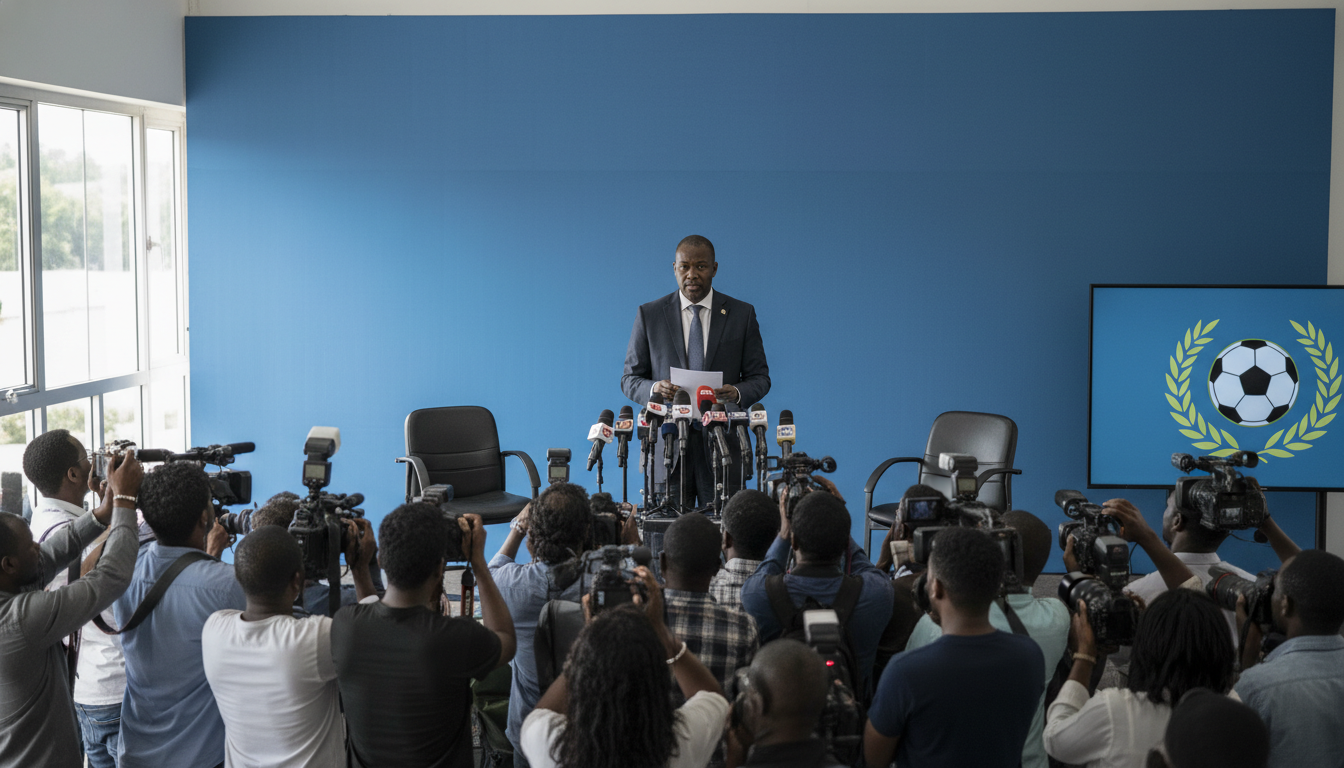
The Liberia Football Association faces a deepening governance crisis after three contenders for Executive Committee posts announced they were withdrawing from the race, citing a process they described as neither fair nor transparent. The withdrawals came just hours before the LFA Elective Congress scheduled for May 15, leaving incumbent president Mustapha Raji positioned to run unopposed following the disqualification of other presidential hopefuls. Emmett Glassco, James K. Nimene and Wilmot F. Smith formally stepped away, saying the integrity of the election had been compromised.
Three Executive Committee Candidates Withdraw
Emmett Glassco, James K. Nimene and Wilmot F. Smith issued statements saying they could not in good conscience remain in a contest they regard as prejudiced. Each candidate framed the decision as a response to what they described as arbitrary and exclusionary actions by electoral authorities. Their coordinated withdrawals reduce competition for Executive Committee seats and sharpen concerns about the legitimacy of the upcoming congress.
The timing of the withdrawals, occurring hours before delegates were due to convene, intensified tensions inside Liberian football. Observers noted that the moves suggest more than personal protest and point to broader dissatisfaction with how the LFA is managing electoral rule enforcement. With several key figures already removed from the presidential ballot, the field has contracted sharply, altering the dynamics of the May 15 meeting.
Campaign Chairman Signals Solidarity After Kuoh Disqualification
Glassco framed his exit as an act of solidarity with Cassell Anthony Kuoh, the presidential contender whose disqualification from the ballot provoked widespread criticism. Glassco, who served as Kuoh’s campaign chairman, said he could not participate in a process that excluded his principal and other stakeholders seeking participation. He described the move as reluctant but necessary to underscore his objection to what he called exclusionary practices.
In a public release, Glassco asserted that the electoral process failed to meet accepted standards of inclusiveness and democratic governance for football administration. He urged the LFA to reconsider procedures that appear to deny qualified candidates the opportunity to stand. His statement reiterated calls from other stakeholders for clearer, consistently applied rules and for remedial action to restore confidence in the association.
Allegations of Rule Changes and Selective Disqualifications
Both Glassco and Smith directed sharp criticism at the Elections Commission, alleging the body had shifted its integrity criteria in a manner that benefited certain individuals. They said the commission removed a requirement for “documented fraud” from its integrity checklist after complaints were lodged seeking the disqualification of Mustapha Raji over alleged past disciplinary issues. The pair suggested that the alteration of the checklist was designed to preclude scrutiny of preferred candidates while enabling the removal of rivals.
Their communication to LFA Secretary General Emmett Crayton and Elections Committee Chairman Meo Debbah Beyan accused the commission of operating without sufficient independence. The statement maintained that the disqualifications of Cassell Kuoh and Sekou Keita were inconsistent with due process and with the LFA statutes. Critics now contend that selective interpretation of rules undermines equal protection for candidates and sows distrust among clubs and regional associations.
Questions Raised Over Vice President’s Past Sanctions
The withdrawing candidates also questioned the eligibility of current LFA Vice President Saye-Taayor Adolphus Dolo, citing earlier sanctions imposed on him by the United Nations Security Council. The reference to past sanctions has been raised to argue that certain officeholders may not meet integrity thresholds expected of football administrators. Those concerns add a further layer of controversy that extends beyond procedural complaints to questions about candidate suitability.
Party and club officials who voiced unease said the presence of figures with contested pasts complicates efforts to present a unified, credible leadership for Liberian football. The debate over Dolo’s status has not been resolved publicly by the LFA, and officials have so far offered limited explanation of how prior sanctions intersect with current eligibility rules. The lack of clarity has prompted calls for an independent review of eligibility decisions to avoid continued erosion of confidence.
Withdrawals Framed as a ‘Principled Stand’ by Remaining Candidate
James K. Nimene described his departure from the contest as a “principled stand against injustice,” aligning his rationale with the broader critique of the process. Nimene argued that the barring of candidates like Kuoh reflected a pattern of exclusion that denied stakeholders the right to open competition. He added that irregularities, as alleged, threaten the institutional integrity of the LFA and its capacity to govern football effectively.
Nimene and other critics urged the LFA to adopt transparent, consistent procedures and to ensure that any sanctions or disqualifications are grounded in documented, fair processes. Their public statements aim to pressure the association into corrective actions ahead of or following the congress. Whether the show of principle will prompt immediate policy shifts remains uncertain, but the departures increase the urgency of independent scrutiny.
Elective Congress Expected to Proceed Amid Calls for Intervention
Despite the resignations and objections, the Elective Congress is scheduled to proceed on May 15 unless interrupted by an outside authority. Stakeholders suggested that only an intervention by FIFA, the Confederation of African Football, or the Court of Arbitration for Sport could alter the timing or composition of the ballot at this late stage. Organizers have indicated they will move ahead with a significantly altered list of candidates, a scenario that opponents say risks undermining the eventual leadership’s mandate.
Football observers warn that proceeding without addressing the core grievances will likely deepen divisions within the domestic game and could expose the LFA to external scrutiny. Several clubs and regional representatives have already expressed reservations about participating in a congress they view as compromised. The potential for post-election legal challenges or appeals to international governing bodies now looms larger as a remedy for aggrieved parties.
Implications for Governance and International Relations
The episode presents immediate and longer-term governance challenges for the Liberia Football Association, with potential consequences for funding, partnerships and participation in regional and international programs. Donors and development partners typically require transparent administrative practices as a condition for engagement, and reputational damage could erode vital support. Additionally, continued internal strife risks diverting attention and resources away from player development, competitions and grassroots initiatives.
Observers recommended that the LFA prioritize a clear, independent review mechanism to assess both the electoral process and the eligibility of disputed candidates. Restoring confidence will likely require public explanations of procedural choices, publication of selection criteria and timelines, and the establishment of an impartial appeals process. Failure to adopt such measures could result in sustained factionalism that harms the sport nationwide.
The situation also underscores the role international football authorities play in safeguarding governance standards in member associations. FIFA and CAF have intervened in the past when national bodies displayed irregular governance, and stakeholders noted that such interventions can carry both corrective and punitive consequences. Pending any external engagement, the association’s internal leaders face pressure to demonstrate accountability to clubs, players and supporters.
The pending congress and recent withdrawals mark a pivotal moment for Liberian football administration, with outcomes likely to influence the association’s credibility and the confidence of its members. The immediate task for LFA leadership is to address the allegations transparently and to outline steps that rebuild trust among stakeholders. Until substantive responses are provided, tensions and uncertainty are likely to persist, complicating efforts to prepare for competitions and development programs.
Calls for dialogue, independent review, and clearer rules now echo across club offices and regional associations as the May 15 date approaches. Whether the LFA will heed those calls or proceed without substantive reform will determine how quickly the association can move beyond this crisis.