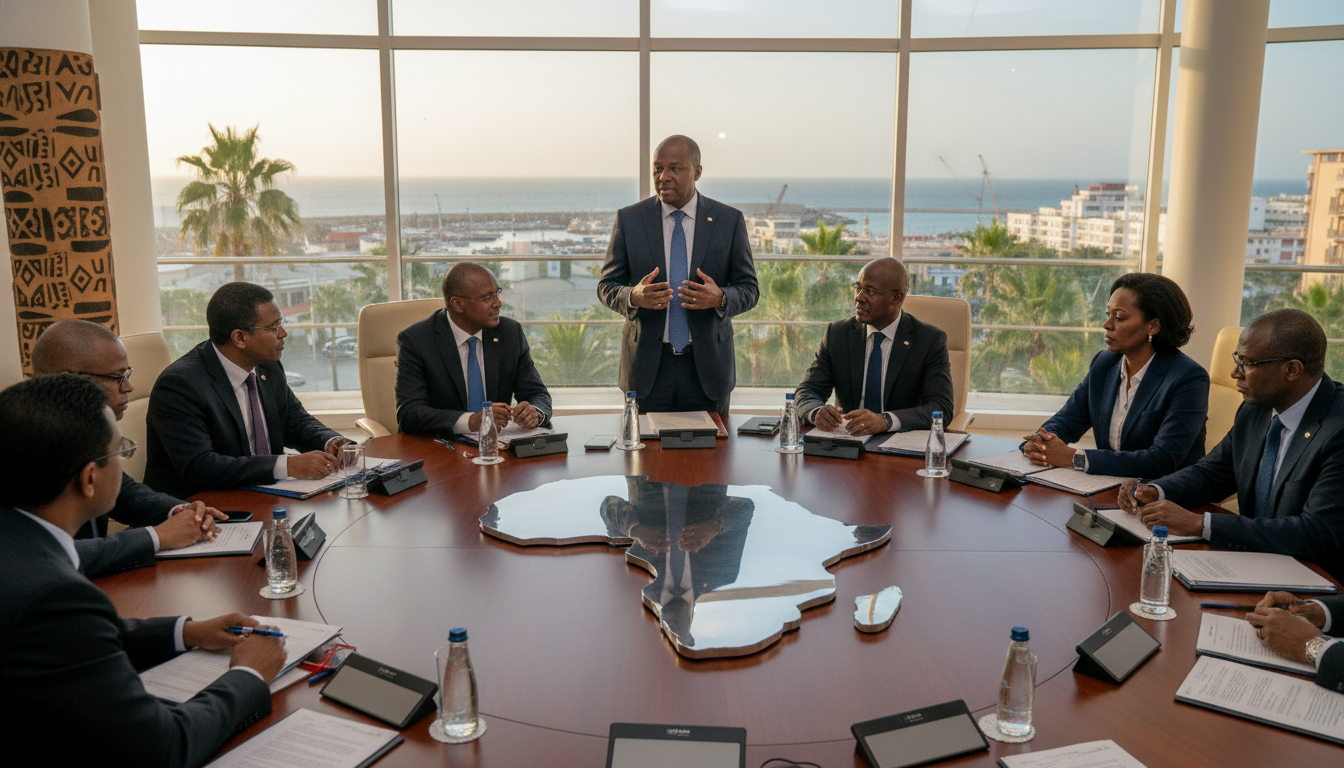
Namibia pushes for agent regulation at African Football Agents Conference in Praia
Namibia’s players union leader at the African Football Agents Conference urged swift agent regulation and stronger player protection across the continent.


Namibia sent a representative to the African Football Agents Conference in Praia, where discussions centered on implementing agent regulations, safeguarding players and strengthening governance across African football. Sylvester "Lolo" Goraseb, founding president of the Namibian Football Players Union, attended the meeting after consultations with Namibia Football Association acting general secretary Mabos Vries. The two-day conference, held on May 11–12, 2026, convened agents, federation officials, club administrators and legal specialists to map practical steps for regional reform. Goraseb used his platform as a panellist and speaker to press for faster domestic adoption of regulatory frameworks and enhanced protections for players.
Namibia’s delegation and representation
Goraseb’s presence in Praia followed coordination with the NFA, signaling a close working relationship between the players’ union and the national federation. He represented the interests of Namibian players while engaging with counterparts from across Africa to align priorities on agent licensing and player welfare. The delegation underscored Namibia’s intent to participate in continental conversations about professionalising football administration at home. Officials in Windhoek have indicated that these dialogues are part of a broader push to modernise contractual and representative systems for players.
Namibia has already taken modest steps toward formalising representation, with local agents having sat FIFA examinations to obtain licences. Those first licensed agents mark an initial compliance with global standards, but gaps remain in establishing an official national regulatory framework. Goraseb and the NFA are in active discussions about drafting and implementing national football agent regulations tailored to Namibia’s emerging professional landscape. The goal stated by union leaders is to ensure local reforms provide clear domestic oversight while aligning with FIFA’s continental directives.
High-profile attendees and conference agenda
The conference drew a wide cross-section of stakeholders, including representatives from FIFA’s agents department and senior officials from European associations. Patricio Varela, head of FIFA’s agents department, and Andy Furness, the English FA’s senior player status manager, were among the delegates offering technical insight into licensing and player status issues. Cape Verde’s president José Neves officially opened the event, giving regional political backing to the forum’s objectives. Organisers also invited legal experts, club executives and policymakers to create a multidisciplinary exchange on regulation and dispute resolution.
Sessions combined plenary addresses and breakout panels to focus attention on practical implementation rather than abstract policy alone. Topics ranged from the operational details of national agent registers to mechanisms for mediation and arbitration to resolve contract disputes on the continent. Attendees emphasised cooperation between federations, agents, clubs and players’ unions as essential to translating policy into practice. The presence of senior FIFA and FA figures added technical credibility and signalled international support for capacity-building across African associations.
Regulatory push: National Football Agent Regulations
One clear message from the conference was a call for FIFA member associations in Africa to accelerate adoption of National Football Agent Regulations. Delegates argued that national frameworks are necessary to regulate representation, set professional standards for agents and protect player interests. The proposed regulations include licensing requirements, ongoing education for agents, and clear codes of conduct to limit exploitative practices. Speakers stressed that harmonised national rules linked to continental mechanisms would reduce regulatory gaps that have long allowed abuses and disputes to proliferate.
Namibia has not yet formally enshrined such regulations despite progress in agent licensing, according to Goraseb. He told reporters that establishing a legal and administrative model for agency work is a priority for the players’ union and the association. A formal regulatory system would complement the recent move to license agents and provide enforcement tools for breaches of conduct. The conference urged federations to set realistic timetables for rolling out regulations and to invest in the administrative capacity needed to manage registration, oversight and disciplinary processes.
Player protection and trafficking concerns
A central and urgent theme at the conference was the protection of players, with particular attention to the trafficking and abuse of minors in football. Delegates raised alarm over reports of young players being moved across borders without adequate safeguards, often exposed to exploitation. Goraseb highlighted the plight of minors and urged stronger vetting of agents and intermediaries to prevent abusive placements. Panel discussions stressed the need for mandatory parental and community education, better monitoring of transfers, and criminal prosecution where trafficking or exploitation is identified.
Speakers also recommended establishing regional reporting channels and protections for whistleblowers to surface cases of abuse more quickly. The conference called for federations to incorporate safeguarding protocols into all levels of player registration and to link disciplinary measures with national legal systems when criminal conduct is suspected. Delegates argued that protecting players from trafficking is both a moral imperative and essential to the long-term development of talent across the continent.
Women’s leadership, grassroots development and dispute resolution
Delegates singled out investment in women’s football and grassroots education as critical complements to regulatory reforms. Panels recommended targeted funding, leadership training for women administrators, and pathways to professional opportunities for female players. Participants also urged federations to support coaching, refereeing and administrative programmes aimed at increasing female representation in decision-making roles. Conference organisers proposed seed grants and mentorship initiatives as practical early measures to accelerate women’s leadership in football.
Another major recommendation was the development of African-based arbitration and mediation mechanisms to resolve football disputes efficiently and affordably. Delegates argued that continentally located dispute-resolution bodies would reduce reliance on distant forums and expand access to justice for clubs, players and agents. Such structures were presented as a way to settle contractual disagreements, registration disputes and disciplinary cases while reflecting regional context and resources. The consensus was that accessible dispute resolution would strengthen confidence in the system and reduce incentives for informal or extrajudicial remedies.
Domestic impact: Namibia Premier Football League and next steps
Goraseb linked several conference themes directly to the planned independence of the Namibia Premier Football League from the coming season. He said the league’s move toward autonomy will require robust professional frameworks around contracts, representation and player welfare. That shift raises the stakes for Namibia to finalise agent regulations, enhance contract administration and create clear channels for dispute resolution. Union and federation leaders indicated that preparations for league independence will include reviews of player registration processes and stronger oversight of agent activity.
Ongoing engagements between the players’ union and the NFA are expected to focus on drafting regulations that reflect both FIFA guidance and Namibia’s domestic realities. Stakeholders have prioritised a roadmap that includes agent licensing, education programmes for players and parents, and coordinated enforcement mechanisms. The conference in Praia provided technical models and peer examples that Namibian officials say they will examine closely in the weeks ahead. Union leaders also signalled plans to consult clubs and agents to build consensus and ensure practical enforceability.
Regional collaboration was highlighted as an essential element of any effective reform agenda. Goraseb and other delegates recommended that federations share best practices, coordinate cross-border enforcement of sanctions and create joint training programmes for agents and match officials. The conference encouraged smaller associations to leverage regional partnerships and donor funding for capacity building. Namibia’s delegation returned from Praia with clear priorities and a working list of practical steps to translate continental commitments into national action.
Namibia’s participation at the African Football Agents Conference underscored the country’s intent to modernise football governance and to foreground player welfare in the transition toward a professional environment. The coming months are likely to see renewed consultations and policy drafting as the NFA, the players’ union and league organisers prepare for the Premier League’s independence. With international technical support available and a clear mandate from conference participants to act, Namibia now faces the immediate task of turning dialogue into enforceable regulations and protective systems for its players.