Chile’s Penalty Glory: How Chile Won the Copa America 2015 Final Against Argentina
Chile ended a 99-year wait for major silverware with a dramatic penalty shootout victory over Argentina in the final of Chile Copa America 2015 on July 4, 2015. The hosts dominated large spells and held firm defensively as Lionel Messi and Argentina were kept at bay across 120 minutes. A tense shootout in Santiago — highlighted by misses from Gonzalo Higuaín and a decisive Panenka from Alexis Sánchez — sealed Chile’s first major international trophy.

A Stadium Packed for History
The Estadio Nacional in Santiago filled hours before kick-off as supporters claimed seats and draped the stands in red and white. Chilean flags covered rows of seats and created a sea of colour that framed the match from the opening whistle. Small pockets of Argentine fans were audible, but the atmosphere inside the home stadium belonged to the hosts from the first chants through to the final whistle.
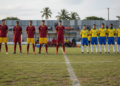
A minute’s silence before kick-off marked the sudden passing of a national sporting figure, setting a solemn counterpoint to the ensuing carnival. Players from both sides lined up together in a rare display of unity before competitive passions took over. The warm-up rituals — focused faces, last-minute stretches and team talks — gave way to a match that carried the weight of national expectation.
Tactical Battle and Tight Contest
Chile approached the final with a measured, possession-oriented plan that aimed to unsettle Argentina’s rhythm. They managed more of the ball and fashioned several promising openings, though Argentina remained dangerous on transition. Lionel Messi found little space and was well contained by disciplined marking and a compact Chilean structure.
Argentina had the best late chance of normal time when Gonzalo Higuaín missed a clear opportunity, a moment that would loom large as the match drifted into extra time. Both teams probed and countered but neither could convert despite sustained pressure and set-piece opportunities. Extra time brought fatigue and caution rather than a decisive breakthrough, setting up a penalty shootout to determine the champion.
Shootout Turns on Composure and Misses
Chile stepped up first in the shootout and took an early advantage thanks to a composed spot-kick by Matías Fernández that found the top corner. Argentina responded through Lionel Messi, whose penalty was placed under the keeper’s dive to level the shootout. The pattern of tension and careful execution continued as each side traded high-stakes attempts.
The turning point arrived when Gonzalo Higuaín failed to connect, sending his effort over the crossbar and handing Chile a psychological edge. Charles Aránguiz and Arturo Vidal converted emphatic penalties to widen the gap, while Claudio Bravo’s crucial save from Éver Banega put Chile one kick from glory. The miss and the save combined to shift momentum irreversibly in favour of the hosts.
Sánchez Panenka and the Moment of Triumph
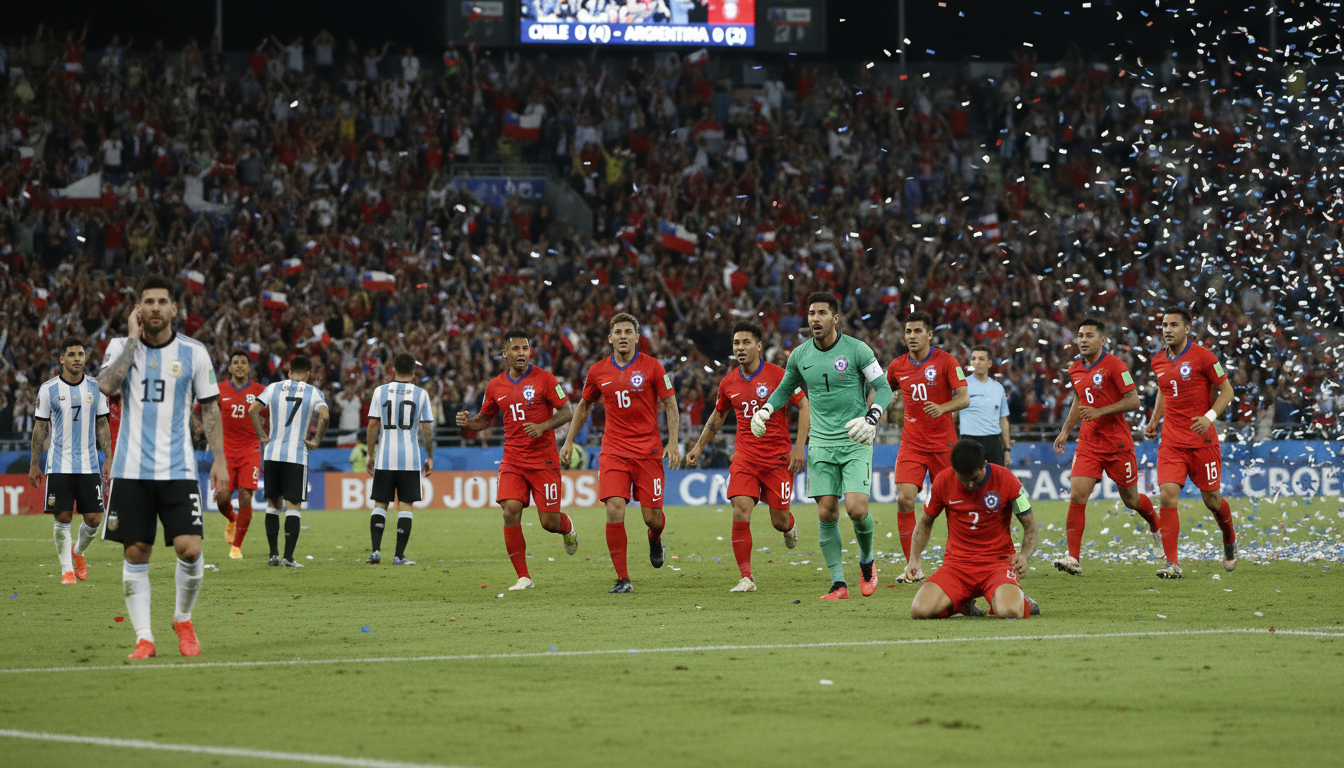
Alexis Sánchez strode forward to take the decisive penalty and delivered a cool Panenka that sealed the title for Chile, sending the stadium into rapturous celebration. The audacity of the chip was matched by the significance of the occasion: it ended a 99-year drought for Chilean football at the highest international level. Players and staff streamed onto the pitch, lifting the trophy amid confetti and the roar of thousands.
Across the arena, contrasting scenes played out as Argentina’s players processed the defeat. Lionel Messi sat alone, a stark image of international disappointment after another major final slipped away. The emotional gulf between winner and runner-up was immediate and raw, underscoring how marginal moments in a shootout can define careers and national memories.
Key Performances and Tactical Notes
Claudio Bravo’s leadership and shot-stopping throughout the match and shootout proved decisive for Chile, with his save from Banega being a match-altering intervention. Midfield control from names like Arturo Vidal and Charles Aránguiz allowed Chile to impose tempo and pressure, particularly in pockets where Argentina had previously dominated. Chile’s defensive work restricted Messi’s usual influence and limited Argentina’s clear-cut chances over 120 minutes.
Argentina created dangerous moments on the break and through individual quality, but failed to find clinical finishing when it mattered most. The miss by Higuaín in the closing minutes of normal time, and his subsequent error in the shootout, compounded an evening of squandered chances. The tactical duel ultimately favored Chile’s collective cohesion and mental resilience under intense expectation.
Celebration, Aftermath and Legacy
The trophy presentation in front of the VIP stands and the fireworks that followed cemented the night as a watershed for Chilean football. Players celebrated on the crossbar and paraded the trophy amid scenes of jubilation that spilled into Santiago’s streets. The win reshaped the national narrative around the team, converting years of near-misses into a defining achievement for a generation of players.
The tournament also left practical marks on the host city: celebrations were accompanied by a fireworks display that briefly worsened Santiago’s already fragile winter air quality. Authorities had already advised reduced outdoor burning during the event, and the closing-night smog was a reminder of the environmental trade-offs in mass public festivities. Nevertheless, for thousands of fans the lingering smoke was a minor price for a first major title.
Chile Copa America 2015 stands as a benchmark in the country’s football history, changing expectations for the national side and elevating a cohort of players into long-term national icons. The victory provided both a tactical template and a cultural touchstone that subsequent teams would reference in building national confidence. It was a moment that redefined Chile’s place in South American football.
The images from Santiago — packed stands, sombre pre-match silence, urgent play, and the ecstatic trophy lift — reflect the arc of a final that combined drama and consequence. The match is remembered not only for how it was won but for what it represented: a culmination of sustained investment, player development and tactical evolution. For Chilean supporters, the memory endures as proof that decades of hope can be realized in a single, unforgettable night.
Looking back, the final in Santiago exemplified the fine margins that separate triumph from heartbreak in international football. A composed penalty, a missed opportunity, a crucial save and a confident chip encapsulated a contest decided as much by nerve as by skill. Chile’s first major international trophy broke a 99-year run without such silverware and left a lasting legacy on the region’s footballing landscape.
The Copa America 2015 final remains a reference point for coaches, players and fans across South America, illustrating how tactical discipline, home advantage and psychological resilience can combine to produce historic results. Chile’s victory that night not only delivered a title but also altered the trajectory of a national program, providing a foundation that has shaped the team’s ambitions ever since.