Algeria World Cup exit as Switzerland advance with 2-0 win
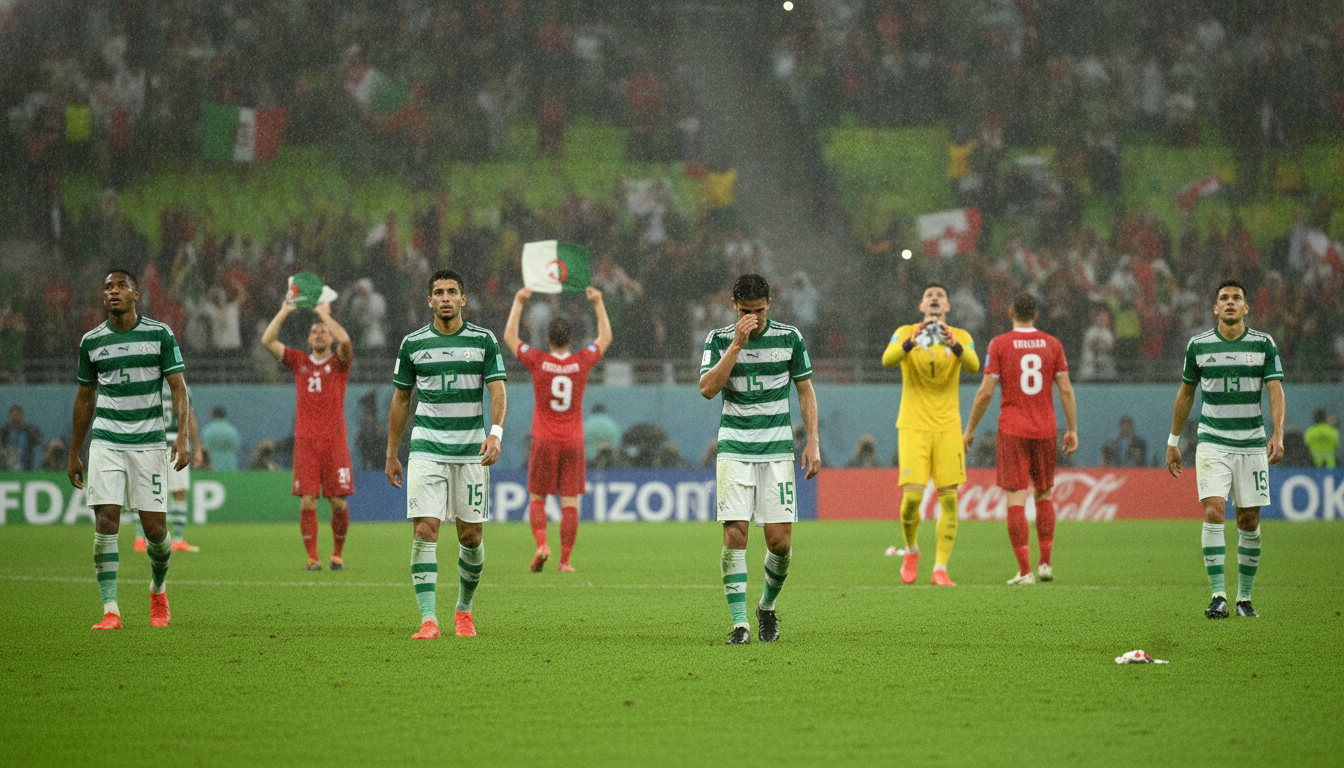
Switzerland beat Algeria 2-0 to send the Fennecs home, with Breel Embolo and Dan Ndoye on target in a match that confirmed Algeria World Cup exit. The North African side began brightly, probing with Riyad Mahrez, Houssem Aouar and Ramiz Zerrouki, but conceded an early goal that proved decisive. Switzerland defended with discipline and struck again early in the second half to remove any realistic hope of a comeback. Algeria leave the tournament having raised their profile but without securing a first-ever knockout-stage victory.
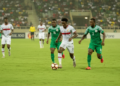
Embolo breaks the deadlock inside 10 minutes
Switzerland took the lead against the run of play when Breel Embolo finished after a threatening run from Johan Manzambi at the 10-minute mark. Algeria had started assertively, using quick exchanges to unsettle the Swiss backline, but a moment of quality from Manzambi created the decisive opening. Embolo capitalised with a close-range finish, leaving the Algerian defence to rue a lapse at a critical stage of the match. The goal settled the Swiss and forced Algeria to adjust their approach for the remainder of the first half.
Restart blow as Ndoye doubles within a minute
The contest was effectively put beyond doubt just 48 seconds into the second half when Dan Ndoye converted from a loose clearance, finishing calmly into the far corner. The quick strike left Algeria facing a two-goal deficit with a large portion of the match still to play, tilting the tactical balance in Switzerland’s favour. That second goal shifted momentum and allowed the European side to manage the game while inviting Algeria to chase the contest. The timing of Ndoye’s finish proved as damaging psychologically as it was numerically.
Petkovic’s substitutions chase control but fall short
Algeria’s coach responded by introducing a wave of attacking substitutes intended to overturn the deficit, bringing on Amine Gouiri, Jaouen Hadjam, Anis Hadj Moussa and Hicham Boudaoui. The changes injected fresh energy and gave Algeria different attacking shapes, with more direct runs and late arriving midfielders aiming to create openings. Mahrez continued to be a focal point, but his influence was limited by an organised Swiss defence and a lack of clear-cut chances. Despite sustained pressure, the reconfigured Algerian attack could not breach Switzerland’s compact lines.
Mahrez and Aouar drive Algeria’s offensive intent
Riyad Mahrez and Houssem Aouar were central to Algeria’s attacking attempts throughout the match, combining patiently and attempting to unlock the Swiss backline with both direct and long-range efforts. Aouar tested Switzerland’s goalkeeper from distance, while Mahrez remained the most consistent creative outlet, probing with crosses and incisive passes. Newer attacking additions produced moments of interest, including a first-time effort that was brilliantly blocked and long-range attempts that forced reactions. Algeria’s players continued to press late into the game, showcasing determination even as the scoreboard remained unchanged.
Swiss defence and goalkeeper absorb repeated pressure
Switzerland’s back four and goalkeeper Gregor Kobel stood firm under sustained Algerian pressure, making timely interceptions and blocks to thwart potential rebounds and shots from distance. The unit’s collective discipline limited space for Mahrez and Aouar to operate in dangerous areas and closed down passing lanes before chances could materialise. Kobel’s late saves and confident handling contributed to the sense that Switzerland could protect their lead without needing to overcommit forward. The defensive display underlined the importance of structure in knockout-style matches where a narrow lead must be defended smartly.
Algeria’s tournament ending and the legacy left behind
Although the result means Algeria’s campaign concludes without a first-ever World Cup knockout victory, their overall tournament performance enhanced both the national team’s reputation and the standing of African football on the global stage. The Fennecs displayed a blend of technical quality and tactical maturity across their fixtures, giving supporters reasons for optimism about the squad’s development. Several players emerged with newly elevated profiles, and the experience gained at this level will inform future preparations and selections. The narrow margins that decided their exit underscore how fine the lines can be in major international tournaments.
Algeria’s World Cup exit, while disappointing on the scoreboard, reflected a wider narrative of progress and competitive spirit that should encourage supporters and administrators alike. The team’s positive start and continued attacking intent throughout the match demonstrated an identity that can be built on, even if the ultimate prize remained out of reach. Tactical adjustments and individual contributions during the tournament highlighted areas of strength and exposed gaps to address in the next cycle. As players return to club duties and the federation assesses the campaign, the lessons of this World Cup will be central to any plans for sustained improvement and future success.