Arsenal Starting XI Top Champions League Semi-Finalists in Minutes Played
Arsenal’s starting XI lead all Champions League semi-finalists with 32,508 minutes played this season, a cumulative workload that raises questions about fitness and rotation.


Arsenal starting XI top the minutes chart
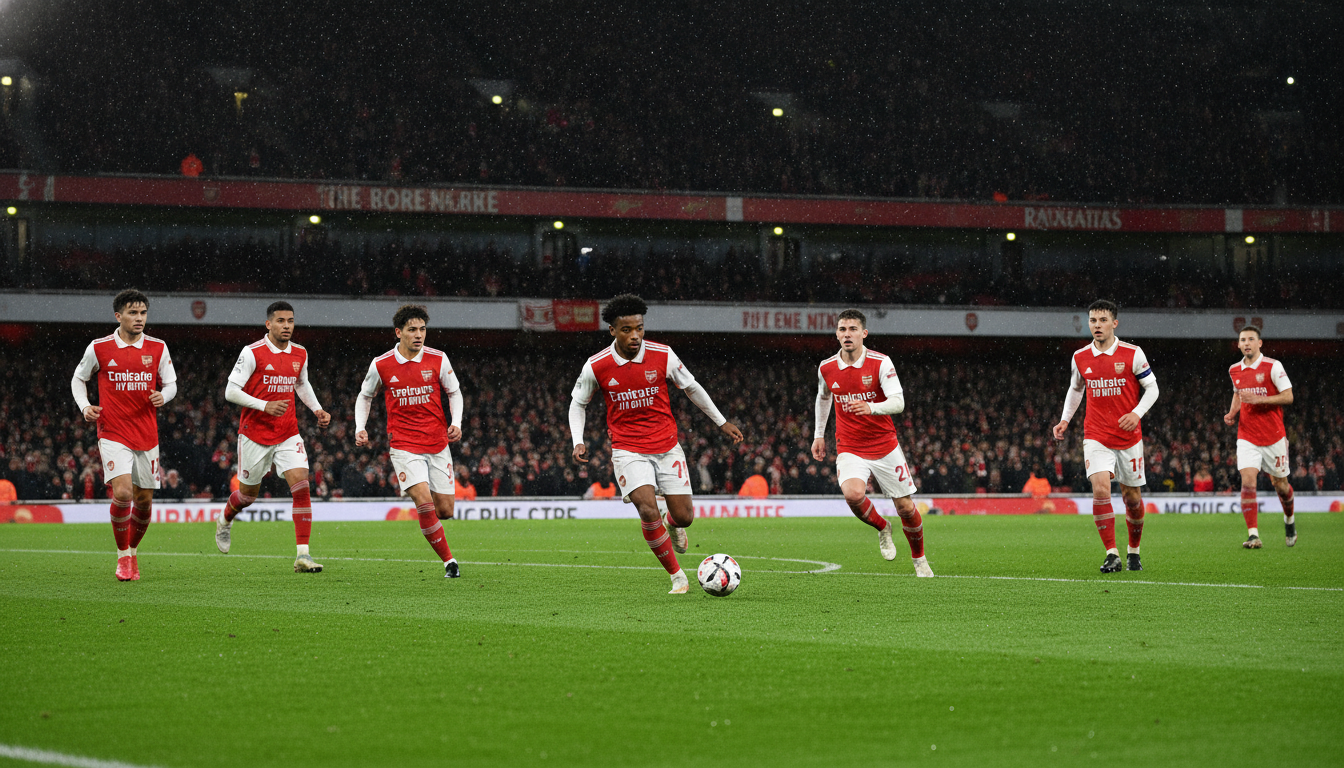
Arsenal’s preferred starting lineup has logged 32,508 minutes across all competitions this season, more than any of the remaining semi-finalists. That total places the Gunners ahead of Atletico Madrid, Bayern Munich and Paris Saint-Germain in cumulative minutes played by their starting elevens.
Several Arsenal regulars feature high on the individual list, with David Raya, Martin Zubimendi, Declan Rice and William Saliba among the heaviest users. Those figures underscore how often Mikel Arteta has relied on a core group of players through domestic and European commitments.
Minutes comparison among semi-finalists
Atletico Madrid’s starting XI have recorded 31,701 minutes, Bayern Munich’s 31,522 and PSG’s 29,968, placing Arsenal at the top of the minutes-played table. The difference between the four teams reflects varying rotation policies, squad depth and domestic schedules.
Underlying those totals are the number of league fixtures each club plays: Premier League and La Liga teams contest 38 regular-season matches, while Bundesliga and Ligue 1 clubs play 34. That structural difference contributes to the variance in total minutes available to starters across the competing leagues.
Individual workloads and standout figures
Goalkeeper David Raya leads the minute totals among the four starting XIs with 4,140 minutes, followed closely by Martin Zubimendi on 4,096 and Declan Rice on 4,002. William Saliba has also been a mainstay, contributing 3,774 minutes to Arsenal’s campaign this season.
The scale of these workloads is evident in small comparisons: Rice, for example, has accumulated 359 more minutes than England teammate Harry Kane over the same period — the equivalent of nearly four full matches. Those gaps highlight how selection and availability can reshape comparative fatigue between players and teams.
Fitness management and tactical consequences
High cumulative minutes can indicate cohesion and consistent selection, but they also raise concerns about fatigue and injury risk as a knockout tie approaches its decisive moments. Teams that rely on a core eleven gain familiarity and tactical synchrony, yet that continuity can come at the cost of diminished physical freshness late in the season.
Managers must weigh those trade-offs when setting lineups for single-leg and two-leg fixtures. Rotation choices, substitution patterns and targeted recovery sessions will influence whether accumulated minutes translate into match-winner resilience or late-stage decline.
Arteta’s assessment and rivals’ availability
Mikel Arteta has publicly acknowledged the individual quality of opponents such as PSG and Bayern and pointed to the fitness and availability of their squads as a defining factor. He stressed that many of their players have been available at peak levels, which shapes how Arsenal prepare for the upcoming ties.
Arsenal’s own minutes-led approach suggests confidence in a settled core, but Arteta’s remarks underline that opponents with elite individual talent and deep benches can offset any marginal freshness deficit. The dynamic between squad continuity and depth will be a central theme as the semi-finals progress.
Tactical implications for the semi-final legs
Coaches will need to adjust tactics based on minute-load indicators; teams with heavier workloads may prioritize energy conservation and sharper rotations during congested weeks. Conversely, a well-drilled starting XI can exploit cohesion to press, transition and control phases of play that demand collective understanding.
Substitution strategy will be especially important, with managers expected to use early changes to protect overworked players or introduce physical freshness to match specific in-game moments. Match tempo, set-piece emphasis and defensive alignment are all likely to reflect attempts to manage player minutes while pursuing positive results.
Recovery windows and fixture planning
The calendar ahead — domestic matches, European assignments and potential domestic cup fixtures — will determine how much recovery time each side can secure between semi-final legs. Teams with shorter turnarounds face a higher risk of minute accumulation affecting performance, while those with lighter domestic schedules can prioritize rest and targeted training.
Clubs with deeper squads can also stagger minutes across competitions to preserve their most-used players for high-stakes ties. How managers balance those demands in the coming weeks will be telling for selection policy and could alter the complexion of both semi-final ties.
Arsenal’s cumulative minutes highlight the club’s reliance on a defined core and a strategy that has produced consistency and domestic success. Whether that approach carries the team through to Champions League glory or becomes a limiting factor amid intense European competition will hinge on recovery, rotation and the players’ ability to sustain peak performance across the season’s final fixtures.