China Imposes 17 More Lifetime Bans in Football Match-Fixing Crackdown
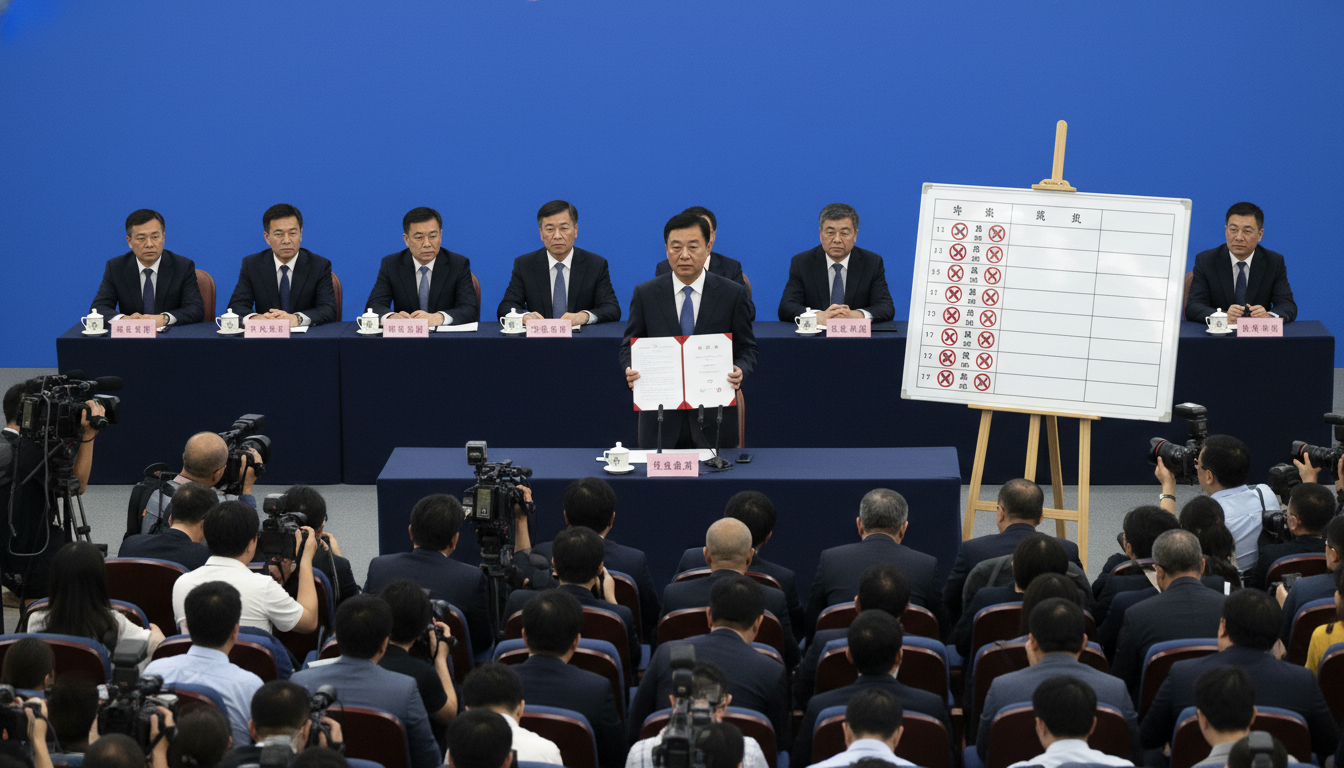
China’s football governing body added 17 individuals to its lifetime ban list on May 21, 2026, widening a major crackdown on match-fixing and gambling in the sport.


The Chinese Football Association (CFA) announced on May 21, 2026, that it had imposed lifetime bans on 17 people for involvement in match-fixing and gambling activities. The move forms part of an extended enforcement campaign aimed at purging corruption from Chinese football and restoring integrity to domestic competitions.
The announcement follows earlier rounds of disciplinary action this year and a significant sweep in September 2024 that resulted in dozens of lifelong exclusions. The CFA said these sanctions were the outcome of investigations into game manipulation, illegal betting links and other conduct that the governing body deemed incompatible with professional football.
The latest penalties expand a punitive list that already included senior figures and professionals, signaling continued institutional resolve to address systemic problems. League operators, clubs and fans have watched the developments closely as the CFA tightens oversight of both on-field conduct and off-field networks tied to gambling.
CFA adds 17 to lifetime ban list
The CFA’s formal notice detailed that 17 individuals had been placed on a permanent ban from all football-related activities in mainland China. The list comprises players, club staff and other persons found to have participated in or facilitated match-fixing and associated gambling operations.
The association described the action as a disciplinary measure taken after internal inquiries and evidence-gathering procedures. While the CFA did not immediately publish the names of all sanctioned individuals, it confirmed the bans are irrevocable within the federation’s jurisdiction.
The governing body also indicated that the measures are part of a wider accountability process that includes collaboration with law enforcement where criminal conduct has been suspected. The CFA emphasized that lifetime bans are reserved for the most serious breaches of sporting integrity.
Recent enforcement follows earlier mass penalties
This round builds on earlier enforcement phases that have unfolded since 2024, when the CFA announced a broad purge that led to more than 100 people facing lifetime exclusion. Those earlier sanctions targeted a range of actors across the professional game and were framed as a response to long-standing integrity issues.
Authorities carried out investigations across multiple tiers of competition, and clubs reported cooperating with inquiries into suspicious results and irregular betting patterns. The sequence of penalties over the last 18 months has been presented by regulators as a sustained effort rather than isolated disciplinary episodes.
Observers note that the staggered timing of announcements suggests a continuing pipeline of cases under review as investigators trace networks and financial flows linked to match manipulation. The CFA’s repeated updates demonstrate a strategy of incremental disclosure as findings are validated.
High-profile figures previously sanctioned
Among the notable names previously affected by lifetime bans are former CFA President Chen Xuyuan and ex-national team coach Li Tie, both of whom were sanctioned in earlier rounds. Those sanctions drew widespread attention and underscored the probe’s reach into the sport’s administrative and coaching ranks.
The inclusion of senior officials in past lists has added pressure on the CFA to demonstrate systemic reforms in governance and oversight. Critics and stakeholders have said that removing individual wrongdoers is necessary but not sufficient without institutional safeguards to prevent recurrence.
The earlier penalties also prompted clubs, sponsors and domestic leagues to reassess internal compliance and to adopt stricter reporting and monitoring provisions. The reputational fallout from high-profile sanctions has been a driver for both commercial partners and fans to demand greater transparency.
Nature of offenses: match-fixing and gambling links
The CFA described the offenses underlying the new bans as involving direct manipulation of match outcomes, coordination with illegal betting operators, and actions intended to influence competition results. Such infractions typically include deliberate underperformance, collusion among players or officials, and facilitating wagers on predetermined outcomes.
Match-fixing schemes often rely on complex networks that span players, intermediaries, club employees and external bookmakers. The CFA’s disciplinary language highlights both on-field misconduct and off-field facilitation, signaling that sanctions will target a broad set of behaviors that compromise sporting fairness.
Gambling-related activity is of particular concern because it creates financial incentives for corrupt acts and can draw organized criminal elements into the sport. The lifetime bans are intended to sever those links and deter actors tempted to benefit from illicit betting markets.
Impacts on clubs, competitions and governance
The continued imposition of lifetime bans raises immediate practical questions for clubs that may now face squad disruptions, contractual disputes and reputational damage. Teams implicated in past investigations have had to rebuild rosters and rebuild trust with supporters and commercial partners.
Leagues and cup competitions may also experience collateral effects, including tighter vetting of transfers, more rigorous match-day monitoring, and enhanced cooperation with legal authorities. Sponsors and broadcasters have in some cases demanded stronger guarantees of integrity before committing new funds.
At a governance level, the CFA faces pressure to implement structural reforms such as independent integrity units, improved vetting of club ownership, and routine audits of match results and betting flows. Ensuring consistent enforcement and transparent procedures will be critical to restoring domestic and international confidence.
Next steps and investigations continuing
The CFA said it will continue investigations into alleged match-fixing and maintain close ties with relevant law enforcement agencies where criminality is suspected. Further disciplinary notices and updates are likely as additional cases are reviewed and adjudicated through the federation’s processes.
The association has also signaled intent to strengthen preventive measures, including education programs for players and officials about the risks of involvement with illegal gambling. Enhanced data analysis of match events and betting markets may be deployed to detect irregularities earlier.
Internationally, the CFA’s actions may attract scrutiny and cooperation from other federations and governing bodies seeking to curb cross-border betting syndicates. Coordination on intelligence sharing and standardized disciplinary frameworks could become a focus as federations confront criminal networks that operate beyond national boundaries.
Reactions from clubs, fans and stakeholders
Responses from clubs and fan groups have been mixed, with many expressing relief that wrongdoing is being addressed while others call for fuller transparency about the process. Club officials have reiterated commitments to compliance but warn that sustained reform will require time and institutional investment.
Supporters have voiced frustration over repeated scandals and the disruption they cause to the domestic game’s development. Meanwhile commercial partners are watching closely; some sponsors have publicly demanded assurances that the sport is taking concrete steps to protect competition integrity.
Analysts say that rebuilding trust will require not just punitive measures but demonstrable changes in governance, consistent enforcement of rules and visible cooperation with independent oversight mechanisms. Restoring confidence among stakeholders is likely to be a multi-year endeavor.
The CFA’s decision to add 17 individuals to the lifetime ban list on May 21, 2026, reinforces an ongoing campaign to eradicate match-fixing and gambling infiltration from Chinese football, and sets the stage for further enforcement and reform in the months ahead.