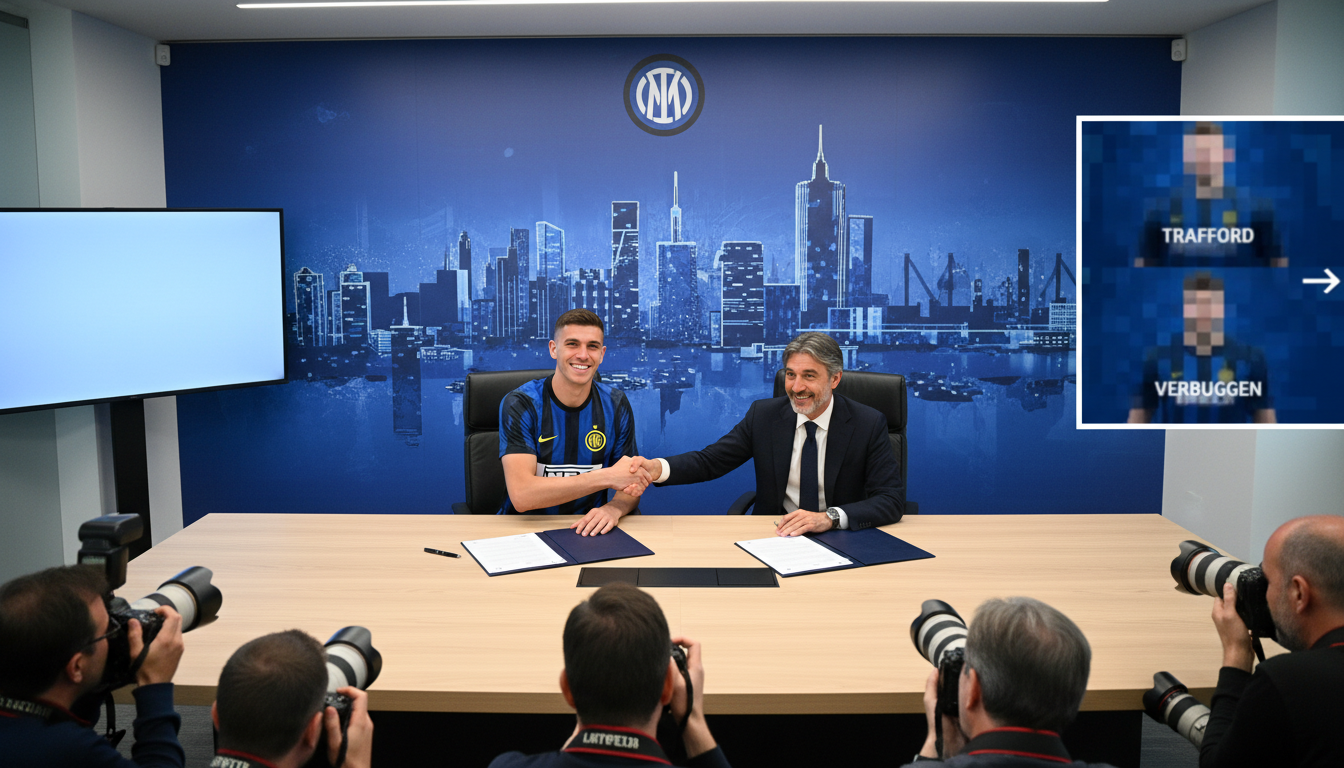
Tottenham to Allow Guglielmo Vicario Exit as Spurs Target New No.1, Eye Trafford and Verbruggen
Tottenham will allow Guglielmo Vicario to join Inter Milan; Spurs plan to replace him and are eyeing James Trafford or Bart Verbruggen, with talks expected soon.


Guglielmo Vicario is set to be permitted to leave Tottenham Hotspur this summer as the club prepares for a goalkeeper succession ahead of the 2026–27 campaign. Reports indicate Spurs decided in January to make Vicario available and that Inter Milan have emerged as the leading suitor, with personal terms said to be agreed. The expected departure has prompted Tottenham to evaluate short- and long-term options for the number one role depending on their league status next season.
Club decision and timing of Vicario’s exit
Tottenham reportedly made the strategic choice to allow Vicario to move on at the end of the season, signaling a clear change in the club’s goalkeeping plans. That decision, according to the reports, was taken internally in January and has been guiding recruitment thinking ever since. With Inter understood to have negotiated personal terms, the focus now turns to formal club-to-club talks to conclude the transfer.
The timing of those negotiations could be accelerated by Inter’s desire to secure a reliable starter ahead of their own preseason planning. Tottenham will need to balance the financial return against the sporting need to replace an established presence between the sticks. The sequence of events suggests Spurs are preparing to be pragmatic about reinvestment while safeguarding their options for next season.
If the deal proceeds, Vicario’s exit would represent a significant turnover in goalkeeping duties for Tottenham, who have relied on a mix of experience and rotation since his arrival. That change forces a reassessment of the pecking order and the type of profile the club seeks in a new number one. The club’s managerial and sporting staff will weigh immediate capability against potential long-term value.
Inter Milan’s pursuit and competing interest
Inter Milan have moved to the front of the queue for Vicario, with the Serie A club apparently securing terms with the goalkeeper’s representatives. Their interest reflects a desire for a dependable, top-level goalkeeper capable of handling domestic and continental pressures. Juventus were also linked at various points, but Inter’s offer and fast-tracked negotiations appear to have given them the edge.
Inter’s urgency is understandable given their own ambitions to stabilise the squad ahead of the next season, particularly in goal where consistency is prized. For Tottenham, dealing with a club of Inter’s standing could present favourable financial terms and a swift resolution. The resolution of those talks will influence how quickly Spurs must target a replacement and whether they push for an established name or a developmental alternative.
Beyond the immediate suitors, Vicario’s availability is likely to attract attention across Europe should the transfer market become more fluid in the coming weeks. Tottenham’s handling of the process will be scrutinised by supporters and stakeholders as the club balances sporting continuity with commercial realities. Both clubs will aim to finalise details in a way that meets their respective preseason timetables.
Tottenham’s contingency plans and squad implications
Tottenham’s plan for the goalkeeper position is closely tied to their performance and league status for the 2026–27 season. If the club is relegated from the Premier League, the coaching staff are expected to place trust in the current backup option, Antonin Kinsky, as a cost-effective and familiar solution. That pathway would prioritise internal continuity and a transition that minimises disruption.
Conversely, if Tottenham retain their Premier League place, the club intends to pursue an established, top-level goalkeeper to immediately fill the void left by Vicario. That approach would reflect the club’s ambition to remain competitive at the highest domestic and European level. The contrasting scenarios underline how crucial Tottenham’s final league position will be in shaping recruitment and squad construction.
The decision between promoting from within and recruiting externally also carries wage and transfer-fee implications. Opting for an established name requires a larger financial outlay and a clear alignment with the manager’s tactical preferences. Meanwhile, promoting the backup could free funds for other areas of the squad while offering a known quantity who can be supported and developed.
James Trafford and why he’s realistic for Spurs
One of Tottenham’s primary targets in the event of staying up is James Trafford, currently a backup option at Manchester City behind Gianluigi Donnarumma. Trafford’s profile suits a club seeking a young goalkeeper with Premier League familiarity and potential for development into a long-term starter. His existing situation at City makes him a more accessible candidate compared with top-name starters from other clubs.
Trafford’s trajectory has been that of a goalkeeper with high potential who has trained under elite coaching environments. That pedigree would appeal to Spurs if they prioritise a balance between readiness and upward ceiling. Financial and logistical considerations also lean in Trafford’s favour since Manchester City may be open to a sale or loan for a player who needs regular first-team minutes.
Should Tottenham pursue Trafford, negotiations would likely centre on transfer fee structure and assurances of playing time to facilitate his development. For Tottenham, acquiring a goalkeeper of Trafford’s age and experience could represent a strategic investment that aligns with wider squad-building objectives. The club’s coaching staff would then focus on integrating him into a defensive structure designed to ease the transition.
Bart Verbruggen’s appeal and potential obstacles
Brighton’s Bart Verbruggen is another name on Tottenham’s radar, coveted for his commanding presence and rapid rise as a first-choice keeper at a club that has pushed for higher league finishes. Verbruggen offers top-level experience and immediate quality between the posts, blending shot-stopping with distribution skills suited to modern build-up play. His attributes match the profile a club like Tottenham would seek for an established number one.
However, Brighton’s likely push for European qualification complicates any potential transfer, as the club could be reluctant to sell their first-choice goalkeeper. Competitive ambitions and financial valuation are likely to push Verbruggen beyond Tottenham’s immediate reach, particularly if Brighton are in a position to demand a premium. That reality means Spurs would face stiff competition and a significant price tag should they pursue the Dutch goalkeeper.
Given those constraints, Verbruggen becomes a less realistic option unless Tottenham can offer compelling terms or unless Brighton’s circumstances change. For Spurs, the trade-off is between targeting an elite starter at potentially prohibitive cost and finding a viable alternative who can be signed within budgetary limits. The club’s recruitment team will need to weigh ambition against pragmatism in assessing Verbruggen’s feasibility.
Strategic consequences for Tottenham’s summer market
The handling of Vicario’s exit and the subsequent recruitment will inform Tottenham’s wider summer strategy, influencing transfer windows, wage structures, and squad planning. A sale to Inter would free funds but also create urgency to fill the goalkeeper vacancy before preseason, especially if Spurs remain in the Premier League. Conversely, retaining budget flexibility may allow the club to target multiple areas of need across the squad.
Managerial philosophy will also play a determining role in the choice of goalkeeper, as any incoming number one must fit the team’s tactical approach and communication with the defence. Recruitment decisions therefore cannot be made in isolation and will involve collaboration between sporting directors, scouting, and coaching staff. The club’s stature and future ambitions will be signalled by the profile of the final signing.
Off-field considerations such as wage demands, agent negotiations, and timing of rival bids will shape outcomes as much as on-field fit. Tottenham will need to navigate those dynamics while maintaining clarity on deadlines and contingency plans. How the club balances ambition, finances, and competitive readiness will be evident in the goalkeeper they ultimately appoint.
Tottenham’s permission for Guglielmo Vicario to move would mark a pivotal moment in the club’s summer planning, setting in motion decisions that ripple through the squad and the season ahead. The club’s choice between promoting from within or signing a ready-made keeper like James Trafford or Bart Verbruggen will reflect both immediate priorities and longer-term strategy. With talks anticipated soon, supporters and observers can expect clarity on Tottenham’s goalkeeping direction in the coming weeks.