Filipinas World Cup plan: Torcaso and PFF set deliberate roadmap after 2026 Asian Cup qualification
Mark Torcaso and the PFF outline the Filipinas World Cup plan after Asian Cup qualification, focusing on targeted preparation and goals for Brazil 2027.


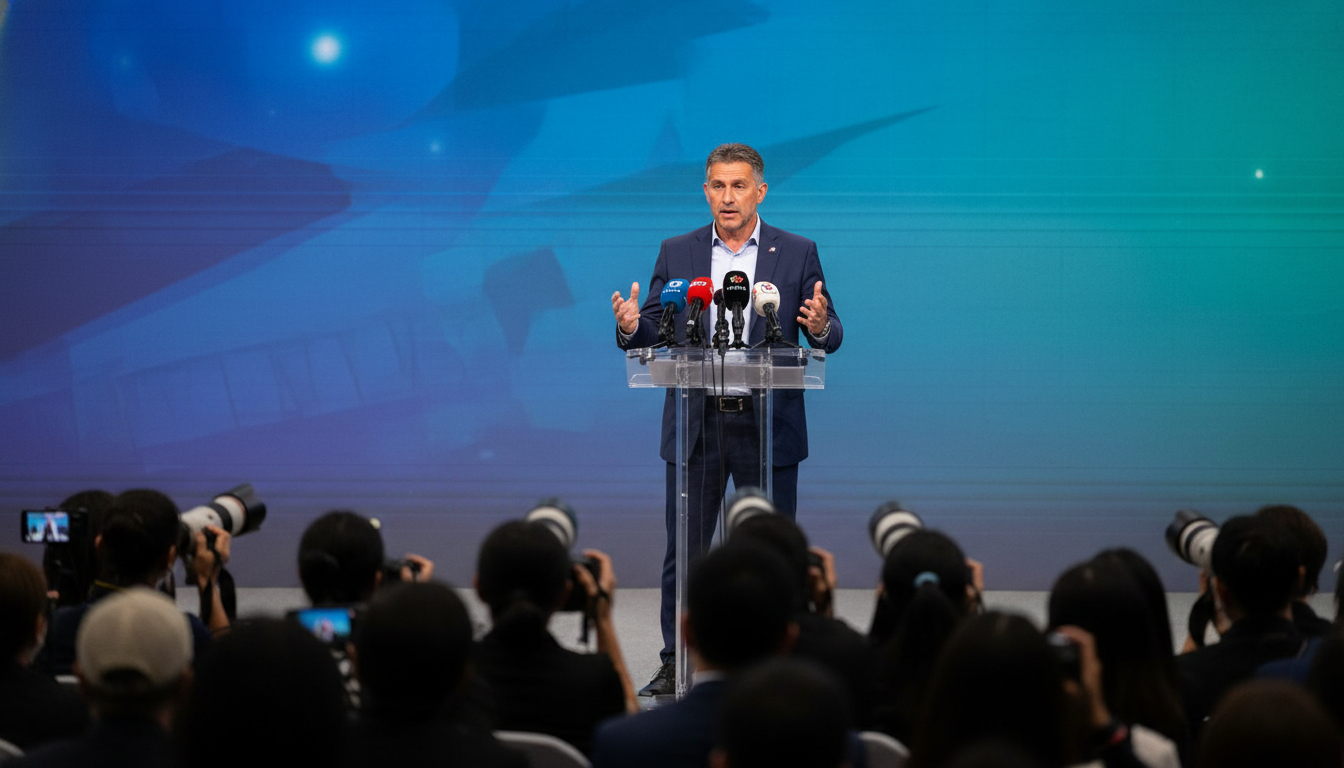
The Philippine Football Federation and head coach Mark Torcaso have unveiled a clear Filipinas World Cup plan following the team’s qualification for the 2027 FIFA Women’s World Cup. The announcement, made after the Filipinas secured a second consecutive World Cup berth through the 2026 AFC Women’s Asian Cup, frames participation as the starting point for a higher competitive objective. Torcaso emphasized that the squad will prepare with a specific aim of advancing beyond the group stage in Brazil in 2027, and the federation says structures will be put in place to match that ambition.
Torcaso sets competitive target after Asian Cup success
The coach communicated that mere qualification is not the endpoint; the Filipinas are preparing to be competitive on the global stage. Torcaso stressed the need for a focused program that treats the World Cup as a tournament in which the team will aim to progress, not simply attend. That stance signals a shift in public messaging from development-led objectives to measurable tournament goals.
PFF officials echoed the coach’s determination and framed the plan as a coordinated effort across technical, logistical and administrative areas. The federation said it will align resources and scheduling to give the team the best chance of meeting the targets set by the coaching staff. This alignment is intended to ensure preparation is purposeful rather than ad hoc.
PFF commits to targeted, structured preparation
The federation has outlined a phased approach that prioritizes deliberate preparation in the months leading to the World Cup. Officials described an emphasis on training camps, scouting, and the scheduling of meaningful international friendlies to test tactical concepts. The PFF also signaled plans to strengthen backroom support, including performance analysis and sports science, to reduce preparation gaps with higher-ranked nations.
Budgeting and logistics will be coordinated to support extended training periods and travel for high-quality opposition when possible. The federation’s planning documents, as described by PFF spokespeople, will aim to marry competitive exposure with recovery and domestic league considerations. By structuring blocks of preparation, the Filipinas aim to enter Brazil 2027 with a consistent tactical identity and physical readiness.
Tactical and physical priorities for the Filipinas
On the field, the coaching staff intends to refine a tactical framework that can be adapted to different opponents at World Cup level. The emphasis will likely be on compact defensive structure, quick transitions and set-piece efficiency, with a view to maximizing the squad’s existing strengths. Torcaso’s staff will use video analysis and opponent scouting to craft game plans that exploit weaknesses and protect against top-tier attacking units.
Physically, the plan prioritizes conditioning programs tailored to the demands of tournament play, including recovery protocols and load management. Sports science input and individualized programs for key players are expected to be integrated into training camps. The PFF has indicated that performance monitoring will inform selection and rotation decisions to keep the squad in peak condition.
Scheduling friendlies and seeking higher-level opposition
A central element of the Filipinas World Cup plan is arranging friendlies against stronger international teams to gain experience and benchmark progress. The PFF aims to secure matches with a mix of regional powers and higher-ranked nations to expose players to varied tactical systems. These fixtures will serve both as competitive tests and as opportunities to trial different lineups ahead of final squad selection.
Timing of these matches will be coordinated around club commitments and FIFA windows to ensure maximum availability of key players. The federation is also considering short training camps in neutral venues to simulate tournament conditions, including climate and travel demands. Such international exposure is intended to build tactical familiarity and mental resilience within the roster.
Squad depth, talent pipeline and diaspora engagement
Building depth across positions is a priority identified by the coaching staff as essential for tournament success. The Filipinas World Cup plan includes accelerating integration of younger prospects and maintaining a transparent pathway from youth setups to the senior squad. The PFF also plans to expand scouting efforts domestically and within the Filipino diaspora to widen the talent pool.
Coaching staff members will place emphasis on developing players capable of performing multiple roles to provide tactical flexibility. Investment in goalkeeper coaching, defensive partnerships and attacking combinations is being prioritized to ensure replacements maintain standards when called upon. The federation recognizes that consistent domestic competition and pathways to professional leagues are long-term factors that contribute to sustained national team success.
Infrastructure, support systems and administrative alignment
Off the pitch, the PFF is working to align administration, funding and logistics with the team’s competitive ambitions. This includes ensuring access to medical and sports science staff, upgrading training facilities when possible, and coordinating travel and accommodation standards for camps and away fixtures. The federation’s intent is to reduce uncertainties that can detract from on-field preparation.
Partnerships with sponsors, government entities and private stakeholders will be pursued to secure the resources required for an intensified World Cup program. The PFF has indicated it will seek collaborations that allow for consistent planning across the two-year lead-up to Brazil 2027. Clear lines of communication between the federation, coaching staff and players are being emphasized to maintain focus and accountability.
The Filipinas’ qualification and the release of this plan mark a pivotal period for Philippine women’s football as it shifts from regional success to global ambition. The next 18 months will test whether the structured preparation Torcaso and the PFF describe can translate into performance on football’s biggest stage.
The team and federation have set a concrete target: to move beyond group-stage expectations at the World Cup, and they have begun assembling the calendar, personnel and resources to pursue that aim.