Werder Bremen confirms Clemens Fritz will remain sporting managing director after supervisory board backing
Werder Bremen confirm Clemens Fritz will remain sporting managing director after a disappointing 2025/26 season, backed by the supervisory board this summer.


Supervisory board announces confidence in Clemens Fritz
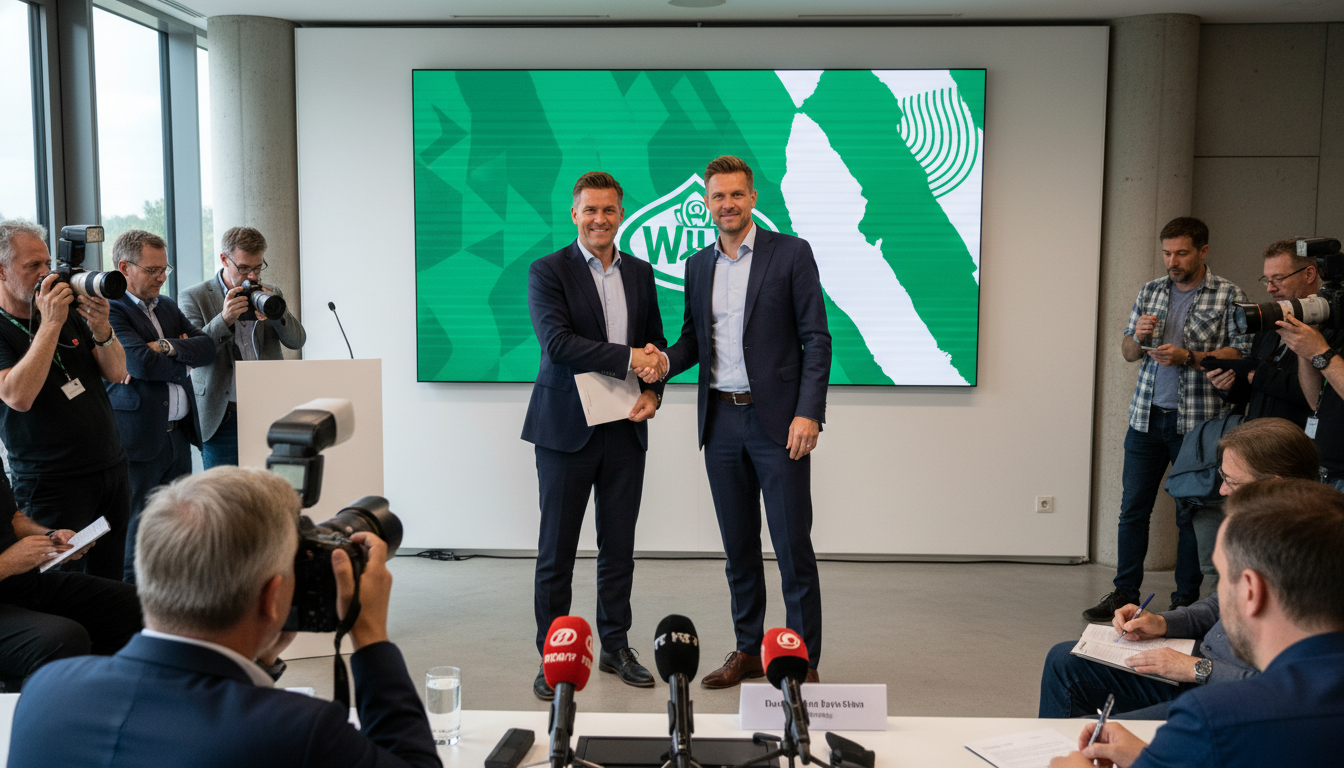
On May 24, 2026, Werder Bremen’s supervisory board issued a formal statement confirming its full support for Clemens Fritz to continue as managing director for sport. The board acknowledged the club’s underwhelming 15th-place finish in the Bundesliga but said Fritz had identified errors, taken responsibility and acted to steady the club. The endorsement underlines the board’s belief that Fritz remains the right figure to lead the club’s sporting recovery and navigate the upcoming transfer window.
The statement set out the rationale for its decision, noting planning and implementation shortcomings during a season of major strategic change. While the board criticised mistakes in recruitment and execution, it also credited Fritz for midseason corrections and decisive staffing choices. The confirmation was framed as a forward-looking move intended to provide continuity ahead of the summer rebuilding work.
Assessment of a season that fell short
Werder Bremen’s 2025/26 campaign was marked by a planned strategic realignment that did not deliver the expected returns on the pitch. The club moved to implement a new playing style and changed head coaches twice, decisions that were intended to modernise the squad and tactical approach. Instead, the combination of transition, injuries and underperforming signings contributed to an erratic season that left the team fighting relegation and ultimately finishing 15th.
The supervisory board singled out flaws in both long-term planning and short-term transfer choices as factors that undermined the project. Executives and sporting staff had aimed for a rapid adjustment to a different football identity, but gaps in personnel fit and timing exposed weaknesses. That diagnosis will be central to the summer review and will shape how the club approaches recruitment and coaching structure going forward.
Midseason response and the Thioune appointment
Faced with mounting pressure, Werder strengthened its coaching position in-season and ultimately appointed Daniel Thioune after a short, professional process. The supervisory board wrote that Fritz had correctly identified missteps and moved quickly to secure a replacement who stabilised results. Under Thioune’s stewardship, the team found enough consistency to secure Bundesliga survival, a factor the board cited as decisive in its evaluation of Fritz’s performance.
The appointment followed a spell under Horst Steffen, which did not yield the intended improvement after the summer coaching change. The rapid selection of Thioune was framed as pragmatic and outcome-driven, aimed at preserving the club’s top-flight status while a more considered rebuild could be planned. The board’s comment that the appointment was made under pressure reinforces the view that short-term survival was prioritised without sacrificing a coherent long-term process.
Transfer policy critique and summer squad overhaul
The supervisory board openly acknowledged that the club made transfer mistakes that contributed to the poor campaign, and it now expects a significant squad turnover. Officials indicated the next transfer window will prioritise creating attacking potency and balance across the team. Squad planning will be the first priority before the board sets precise sporting targets for the 2026/27 season, according to the statement.
That approach suggests Werder will seek a mix of experience and potential, using the summer to correct shortcomings in frontline firepower and depth. The board’s emphasis on “structural and personnel conditions” points to possible changes beyond individual signings, including support staff, scouting priorities and data-driven recruitment processes. How aggressively the club pursues upgrades will depend on budget parameters and market opportunities, but the public line stresses a targeted rebuild rather than wholesale panic.
Expectations for playing style and club identity
Werder’s supervisory board set out clear expectations for the next campaign: stability, consistency and an attacking profile that excites supporters. The club wants a side that combines competitive results with energetic, forward-thinking football. That demand places a premium on recruitment that supports a coherent tactical identity and on coaching continuity that can embed a clear style of play.
For supporters, the board’s language was an attempt to bridge the gap between realistic short-term aims and the club’s traditional appetite for ambitious, attacking football. Internally, achieving that balance will require aligning the sporting director’s vision with the coaching staff and the recruitment team. The board appears to believe Clemens Fritz is the person to coordinate those elements and deliver a squad capable of both stability and entertainment.
Governance implications and next steps at Werder Bremen
The supervisory board’s public backing reduces immediate uncertainty around the sporting director role and gives Fritz a clear mandate to lead summer planning. That endorsement will likely streamline internal decision-making and send a definitive signal to agents, prospective signings and current players about continuity at the top of the sporting hierarchy. It also places responsibility on Fritz to produce measurable progress in recruitment and performance.
Operationally, the club must now translate the board’s expectations into a concrete plan: finalise squad changes, set defined sporting targets and establish timelines for implementation. Financial constraints and market dynamics will shape how ambitious the rebuild can be, and the club will need to balance short-term survival with medium-term competitiveness. The supervisory board stressed that specific ambitions will be defined once squad planning is complete, indicating the club prefers a methodical rather than speculative approach.
The decision will be watched closely by supporters and pundits because it defines Werder’s posture heading into the transfer market. Continuity at the sporting director level can be an asset, but only if the recruitment and coaching decisions that follow are demonstrably improved. Fritz’s remit is now to show that lessons from 2025/26 have been learned and that the club is prepared to act differently.
Werder Bremen’s confirmation of Clemens Fritz as sporting managing director gives the club a clear organizational line as it enters a critical summer of planning, recruitment and tactical consolidation. The supervisory board’s statement on May 24, 2026, accepted that mistakes were made during a challenging season while also arguing that Fritz took corrective steps—most notably the appointment of Daniel Thioune—that ultimately secured Bundesliga survival. With a mandate to prioritize structural improvements and an explicit call for a more potent attacking profile, Fritz faces the task of delivering a squad that can meet the board’s expectations without sacrificing financial prudence. The weeks ahead will reveal whether continuity in the sporting office produces the stability and on-field progress the club has publicly demanded.