COSAFA Congress in Harare: Sanyatwe urges stronger institutions to convert regional potential into success
Zimbabwe hosts COSAFA Congress in Harare as Minister Anselem Sanyatwe calls for strengthened systems to turn regional football potential into sustained excellence.


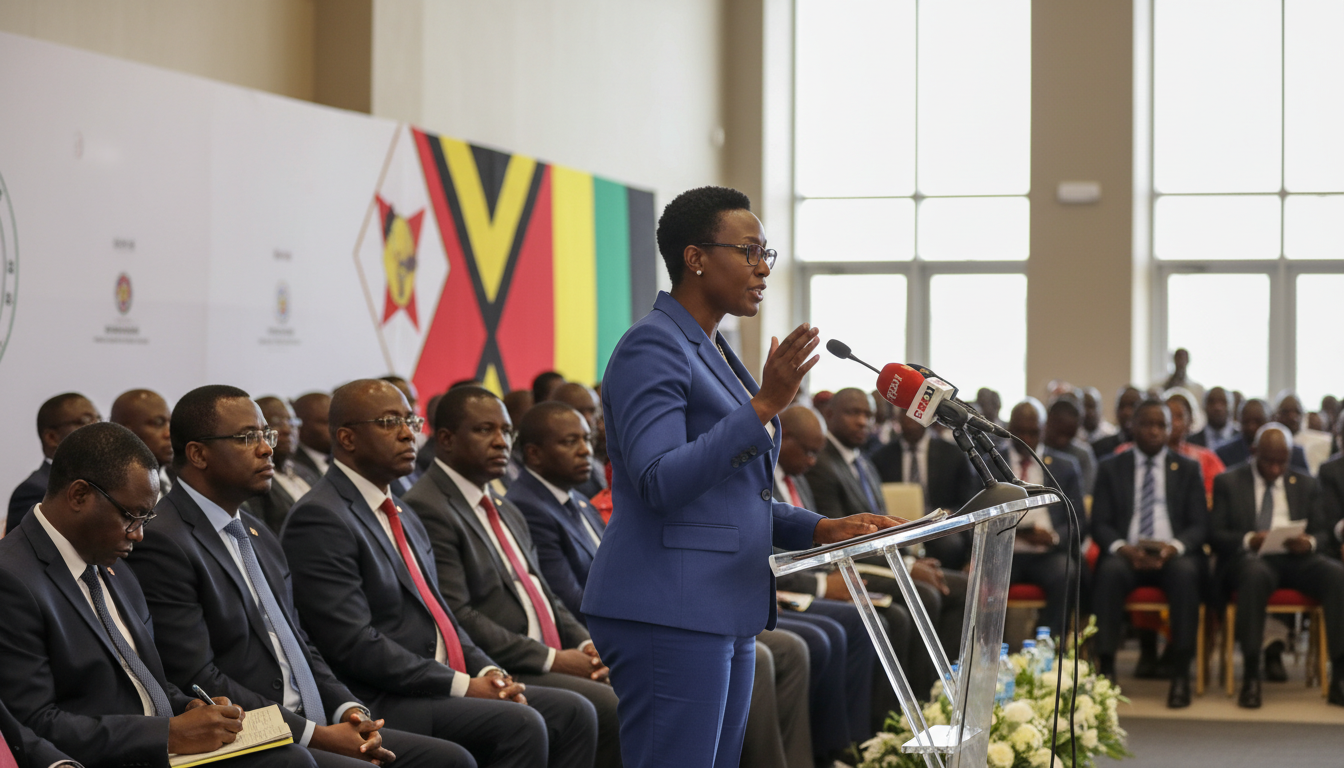
Southern Africa’s elective COSAFA Annual General Assembly in Harare concluded over the weekend with a clear call from Sport, Recreation, Arts and Culture Minister Retired General Anselem Sanyatwe for deeper institutional reform across the region.
The gathering, billed as a critical forum for Southern African football leadership, placed governance, capacity-building and partnership at the center of its agenda.
Delegates from member associations heard a consistent message: talent alone will not deliver results without stable, transparent systems that support long-term development.
Sanyatwe stresses institutional change as priority
Minister Sanyatwe told delegates that the region possesses abundant football talent but lacks the sustained structures needed to harness it.
He argued that national federations and regional bodies must build robust governance frameworks, professional administration and consistent development pathways.
Sanyatwe framed the Congress as an “indispensable platform” for exchanging ideas and strengthening partnerships that can address systemic weaknesses across Southern African football.
Zimbabwe’s hosting seen as endorsement of progress
Government officials presented the decision to host the COSAFA Congress in Harare as a sign of renewed confidence from regional partners.
Sanyatwe described the event as both an honour and a visible indicator that Zimbabwe’s football administration is regaining international trust.
The minister emphasized that hosting high-profile meetings and competitions demonstrates the country’s readiness to re-engage fully with the continental football community.
ZIFA leadership singled out for commendation
The minister publicly praised the Zimbabwe Football Association and its president, Nqobile Magwizi, for progress achieved since their administration began.
Sanyatwe urged ZIFA to continue reforms, remain united, and operate with professionalism while maintaining the autonomy required by the sport.
That encouragement was paired with a government pledge to support football development within its mandate and respect the statutes governing football administration.
Regional agenda focuses on cooperation and capacity
Across sessions at the elective assembly, delegates discussed technical talent pathways, coaching education, refereeing standards and youth competitions as building blocks for success.
Participants repeatedly highlighted the need for collaborative programs among COSAFA members to share best practices and pool resources for talent identification and infrastructure.
Speakers also examined funding models and sponsorship strategies to create sustainable financial support for national development plans.
Zimbabwe’s recent hosting record underlined
Sanyatwe noted Zimbabwe’s role as host for recent events, citing the CAF African Schools Football Championship Continental Finals and several COSAFA competitions.
Those events were presented as evidence that Zimbabwe has the organizational capacity to stage international fixtures and regional gatherings.
Officials used that track record to underscore the point that institutional stability and transparent administration can attract recurrent hosting opportunities.
Practical reforms highlighted for immediate action
Delegates at the Congress outlined concrete measures to improve governance, including regular audits, transparent procurement, and strengthened compliance with continental statutes.
Capacity-building initiatives proposed by member associations emphasized training for administrators, investment in youth academies and expanded scouting networks.
There was broad agreement that short-term fixes must align with a longer-term strategic vision so that improvements endure beyond individual election cycles.
Calls for partnership beyond borders
A recurring theme at the assembly was the importance of external partnerships with confederations, private investors and development agencies.
Sanyatwe and other speakers urged COSAFA members to pursue collaborative projects that enhance coaching standards, sports science support and stadium safety protocols.
Delegates also discussed leveraging regional tournaments as both development tools and commercial platforms to attract sponsors and media coverage.
Balancing government support and football autonomy
While pledging continuing support for football, Zimbabwe’s minister reiterated the government’s respect for the sport’s autonomy and the governing statutes that protect it.
This balance was presented as essential to ensuring federal assistance helps rather than hinders the independence and integrity of national federations.
Officials stressed that government backing should focus on infrastructure, youth development and regulatory support while leaving operational matters to football authorities.
Measuring progress and accountability
Participants agreed that monitoring and evaluation mechanisms are critical to assess whether reforms translate into improved performance on and off the field.
Recommended measures included annual progress reports, public disclosure of federation accounts and stakeholder forums to maintain dialogue with clubs, coaches and players.
The Congress called for COSAFA to support its members with templates and advisory services to make accountability practices easier to implement.
Zimbabwe used the COSAFA platform to signal its willingness to host, partner and contribute to regional football advancement.
The minister framed the country’s return to full international participation as a process matched by renewed commitment from national leadership and regional colleagues.
Delegates left Harare with an emphasis on follow-through: institutional strengthening, cooperative programs and transparent governance as necessary steps to convert regional potential into lasting success.
The pages of the assembly’s discussions mapped a path forward: practical governance reforms, expanded coaching and youth programs, strengthened partnerships and measurable accountability will determine whether Southern Africa’s football promise becomes sustained excellence.