Luis Enrique PSG tactics reshape Champions League approach as man-to-man defending rises
Luis Enrique PSG tactics are at the centre of a tactical shift in European football, as Paris Saint-Germain blend intense man-to-man defending with wide rotation to overpower domestic rivals and prepare for the Champions League knockout rounds.

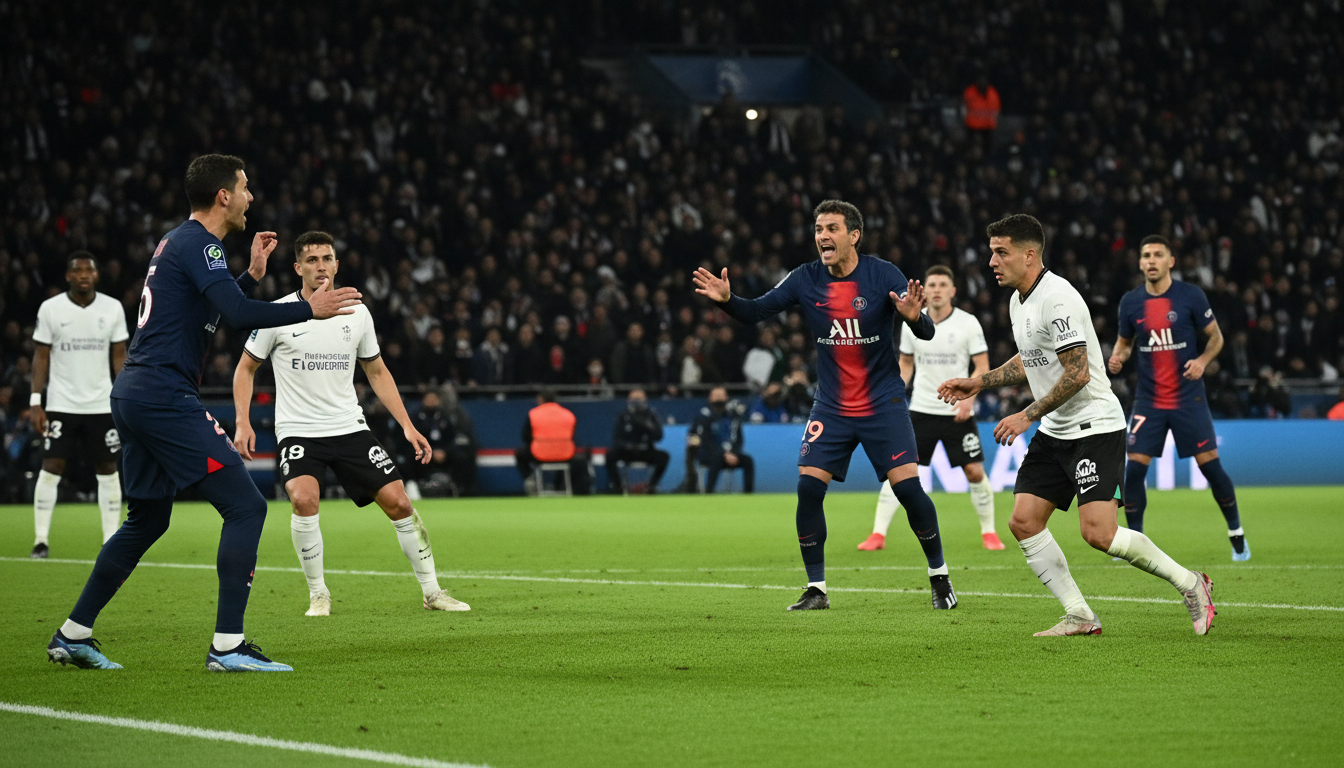
Luis Enrique PSG tactics have emphasised positional interchange, relentless pressing and high-energy full‑back runs, asking players to cover multiple roles across the pitch. This approach is part of a wider trend among top coaches to deploy tighter man‑to‑man marking, forcing opponents into errors or defensive retreats. PSG’s depth has allowed Enrique to rotate and preserve the legs of key performers while sustaining a tactical identity that can be carried into Europe’s decisive matches.
Man-to-man defending takes hold across elite clubs
Top managers across Europe have increasingly favoured man‑to‑man strategies this season, pressing opponents by assigning personnel to follow specific threats. Pep Guardiola and Mikel Arteta are among those who have repeatedly underlined the value of close marking and individual accountability in limiting creative freedom. As teams move dynamically, the tactical objective is to create space on one side of the pitch that can be exploited by players instructed to pull markers out of position.
The inherent risk of this approach is the physical and mental toll it places on players required to track opponents through long, repeated sprints and fast transitions. When a marker is pulled away, his team must choose between maintaining the duel or conceding space collectively, and that decision is often determined as much by fitness and discipline as by tactical instruction. Coaches who insist on man‑to‑man structures rely on squad depth to sustain intensity across a long season.
Enrique’s demand for versatility and rotation
Luis Enrique PSG tactics prioritise versatility: the manager has expressed a desire for a twenty‑player unit capable of covering multiple roles without a drop in quality. That philosophy enables PSG to rotate personnel while preserving tactical continuity, and it reduces the risk of fatigue undermining performance in critical Champions League fixtures. The rotation also allows Enrique to tailor matchday squads to the specific threats posed by European opponents.
The model assumes a baseline of technical proficiency and tactical intelligence across the roster, allowing players to switch zones seamlessly. That makes training emphasis on situational awareness and positional interchange as important as pure physical conditioning. By cultivating a squad where several players can perform at a similar level in different positions, Enrique reduces the team’s dependence on any single individual.
Full‑back workload and the physical calculus
A key feature of Luis Enrique PSG tactics is the full‑backs’ explosive involvement in both phases of play, charging from their own half into attacking positions before recovering defensively. These long, intense sprints are central to PSG’s overloads on the flanks and their ability to stretch opposition shapes. However, the cumulative fatigue associated with such demands means careful minute management is essential to maintain peak output in knockout ties.
PSG’s squad usage demonstrates that management of minutes has been a priority: Nuno Mendes, for example, has appeared in 46 percent of PSG’s league minutes this season, leaving him relatively fresh for high‑intensity knockout matches. That percentage illustrates the rotation headroom PSG possess in Ligue 1, where the club’s superior resources allow for frequent changes without a dramatic dip in results. The luxury of rested wide players can be decisive in two‑legged European ties that hinge on bursts of speed and concentrated defensive discipline.
Comparing PSG’s depth with other Champions League hopefuls
The practical effect of Luis Enrique PSG tactics is magnified by the club’s ability to replenish energy through rotation, a resource some continental rivals lack. Clubs with narrower squads or with principal players logging heavy domestic minutes face tougher decisions when balancing league and European commitments. That contrast is particularly stark when facing opponents who cannot substitute physical freshness for tactical sophistication.
Teams with less depth may find themselves forced into conservative positional adjustments when markers are repeatedly pulled out of place, choosing retreat over risky tracking that could expose channels. In such cases, the tactical advantage swings to squads that can sustain man‑to‑man intensity while preserving key performers for decisive moments. PSG’s structural and financial advantages mean Enrique can impose his style across multiple competitions without an unsustainable strain on individuals.
Tactical cohesion, chemistry and the road ahead in Europe
Luis Enrique PSG tactics have blended physicality with polished technique to create a side that is both dynamic and predictable in its principles. The cohesion Enrique has fostered allows the team to execute complex coordinated movements, trusting that replacements will understand and implement the same game plan. That trust is critical in Champions League knockout games where single moments of disorganization can decide outcomes.
Given the tactical landscape in Europe, PSG’s emphasis on versatile personnel and managed workloads positions them as a team capable of sustaining pressure over two legs. The club’s structure supports the high‑intensity pressing and positional fluidity Enrique demands, while rotation ensures that the most physically taxed positions are refreshed at key junctures. Opponents facing PSG will need to prepare for both the physical challenge of close marking and the technical proficiency that underpins the club’s attacking transitions.
Opposing managers will be compelled to devise countermeasures that either force PSG out of their man‑to‑man comfort zone or exploit the moments when rotation produces a temporary dip in cohesion. Success against Enrique’s side requires discipline in positional coverage and an ability to capitalize quickly when space opens. As knockout football tends to magnify small tactical advantages, the interplay between squad depth and tactical clarity is likely to define who advances.
Luis Enrique PSG tactics have already reshaped how opponents prepare and how matches are controlled, and PSG’s blend of rotation, intensity and tactical versatility makes them a formidable contender in Europe’s elite competition.
The coming weeks will be a test of whether rotation can consistently offset the physical demands of Enrique’s system and whether PSG can translate their domestic superiority into decisive Champions League performances.