Angola U-17 Eliminated After 2-1 Defeat to Mozambique in U-17 AFCON Group C
Angola U-17 eliminated after 2-1 loss to Mozambique in Group C at the U-17 Africa Cup of Nations in Morocco; Eliseu netted but Angola exit the competition.
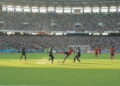

Mozambique down Angola 2-1 in decisive Group C clash
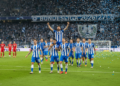
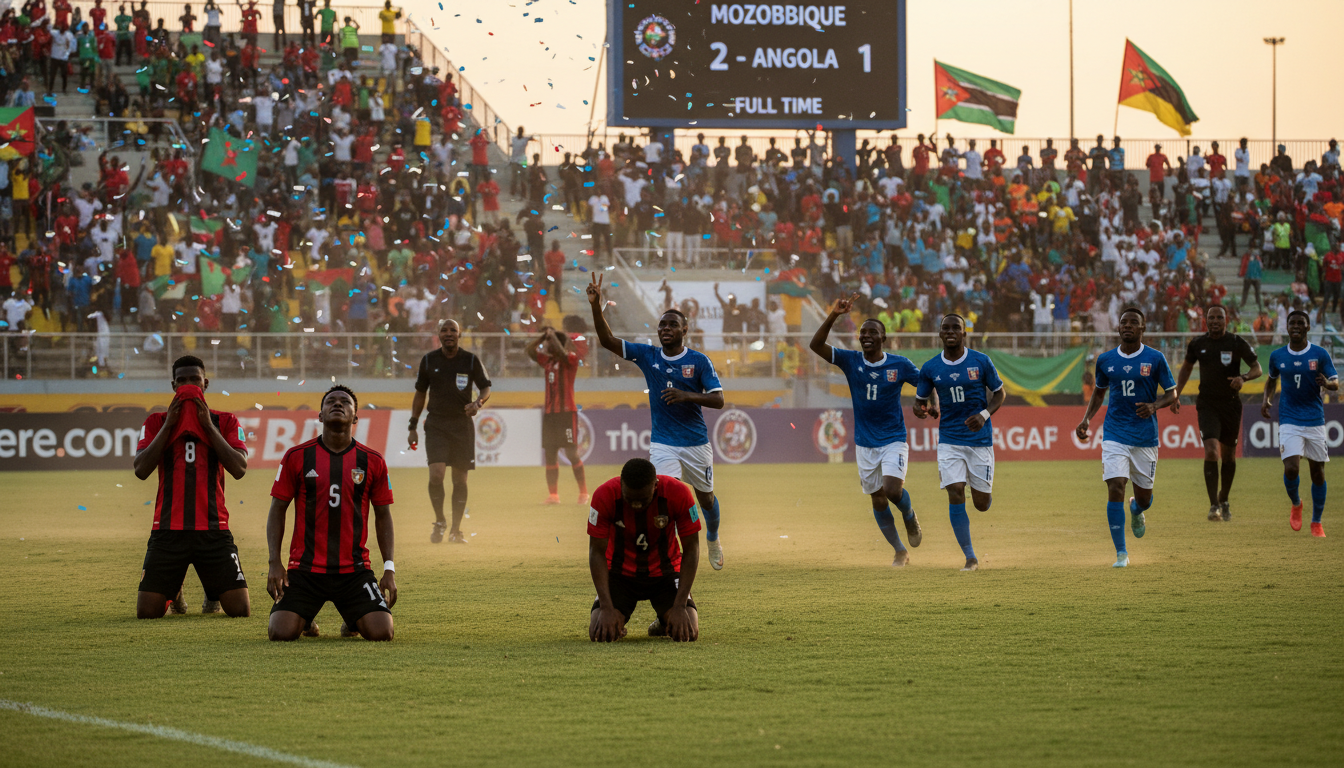
Angola U-17 were knocked out of the U-17 Africa Cup of Nations after a 2-1 defeat to Mozambique in the third and final Group C match in Morocco. The loss ended Angola’s hopes of reaching the tournament’s second phase and the associated pathway to the U-17 World Cup in Qatar. The match featured goals from Alan Figueiredo and Charif Carlos for Mozambique and a consolation strike from Eliseu for Angola.
The result left Angola bottom of the group and confirmed their elimination from the competition. Mozambique claimed a victory that revived their chances in the group, while the other teams completed the round-robin schedule with Tanzania on top.
Match summary and decisive moments
Mozambique took control of the game through quick transitions and clinical finishing that unsettled Angola’s defensive shape. Alan Figueiredo opened the scoring with a composed finish that came after a sustained Mozambican spell in the Angola half. The opener shifted momentum and forced Angola to chase the match.
Angola responded with increased possession and a willingness to carry the ball forward, which produced pressure and chances on the edge of the Mozambican box. Eliseu pulled one back for Angola, giving the side belief and setting up a tense final quarter of the match. Charif Carlos then restored Mozambique’s lead with a decisive strike that sealed the 2-1 outcome and Angola’s exit.
Both sides had periods of control, but Mozambique were sharper in the moments that mattered. Angola’s attempts to salvage a draw were hindered by missed chances and an inability to build sustained pressure in the closing stages.
Goals, scorers and key performers
Alan Figueiredo and Charif Carlos were the scorers who delivered for Mozambique, each contributing at crucial moments. Figueiredo’s opener came from a well-read attacking sequence, while Charif Carlos’ goal proved decisive when the match was finely poised. Those finishes underscored Mozambique’s forward threat in the group.
For Angola, Eliseu produced the solitary strike that kept the team alive for a spell, showing composure to finish under pressure. Despite the goal, Angola could not find an equalizer and were ultimately undone by defensive lapses and missed opportunities higher up the field. Diego Pelembe of Mozambique was named the match’s best player for his overall influence and consistent threat across midfield and attack.
The individual performances reflected the balance of the contest: Mozambique’s forwards and creative players inhabited the decisive moments, while Angola’s efforts were more reliant on late pressure than on sustained attacking control.
Angola’s group campaign in context
Angola arrived in Morocco with ambitions to reach the second phase of the competition and pursue qualification for the U-17 World Cup in Qatar. Their campaign began with a goalless draw against Mali, offering a foundation but little momentum. The second round brought a heavy 3-0 defeat to Tanzania, which left Angola in urgent need of a positive result in the final match.
The 2-1 loss to Mozambique compounded Angola’s troubles and ensured they finished the group with a single point from three matches. That tally proved insufficient to progress, and the team’s early exit concludes a short and disappointing tournament for the young side. Coaches and federation officials will now assess what went wrong across preparation, selection, and match management.
The campaign highlighted both potential and areas for improvement within the Angola U-17 setup, from defensive organisation to consistency in attack. The team showed resilience at times but could not produce the required results across the three fixtures.
Group C standings and tournament implications
The Group C table closed with Tanzania leading on six points, Mali in second on five, Mozambique on four and Angola bottom with one point. Those standings reflect a tightly contested group in which each match carried significant weight. Mozambique’s victory elevated them to a competitive position, while Angola’s defeat eliminated them from contention.
With the group stage concluded, the focus shifts to which teams will advance to the competition’s knockout phase and any associated qualification pathways. For the eliminated Angolan side, the immediate consequence is the end of their AFCON campaign and a missed opportunity to continue toward a place on the world stage.
The standings underline how small margins — a single goal or a missed chance — determined the final order in Group C. Teams that managed to convert key moments earned the benefit of upward movement, while Angola’s inability to secure a win proved decisive.
Tactical observations and coaching decisions
Across the three matches Angola played, tactical approaches varied as coaches sought solutions to secure advancement. In the match against Mozambique, Angola attempted to increase offensive intent after falling behind, adjusting personnel and pushing players into more forward areas. Those tactical shifts created some attacking opportunities but also left space that Mozambique exploited on the counter.
Defensively, Angola struggled to maintain compactness when transitioning from attack to defence, and that vulnerability was exposed on occasions when Mozambican forwards found pockets of space. Midfield control was inconsistent, and that affected Angola’s ability to dominate possession and calm the tempo when under pressure.
Coaching decisions during the game, including substitutions and formation tweaks, reflected an urgency to change the match’s trajectory. Ultimately, the moves did not produce the required effect, and post-match analysis for Angola will likely focus on selection choices, in-game management, and preparation routines leading up to the tournament.
Man of the match and standout individuals
Diego Pelembe’s recognition as the match’s best player highlighted his role in driving Mozambique’s play and influencing the final result. His movement, ball control and capacity to link midfield and attack created problems for the Angolan back line. Pelembe’s performance complimented the finishing of Figueiredo and Charif Carlos, rounding out a strong attacking display from Mozambique.
Angola’s Eliseu, despite being on the losing side, provided a moment of quality with his goal and showed composure under pressure. Other Angolan players displayed moments of promise but lacked the consistency and collective cohesion to overturn the deficit. The match served as a platform for individual players to gain experience, even as the team’s overall objectives were not met.
Next steps for Angola’s youth setup
With their AFCON campaign concluded, Angola’s youth coaches and federation will turn to review and development work aimed at addressing shortcomings exposed in the tournament. The focus will likely fall on strengthening defensive coordination, enhancing tactical discipline, and creating clearer pathways for match-ready attacking talent.
Evaluation of player development pathways, domestic youth competition structures and international preparation programs will be central to rebuilding efforts. The lessons from Morocco can guide long-term planning to ensure future age-group sides are better prepared for continental competition.
For the players, the immediate priority is recovery and reflection. Many of the squad will continue their development at club level and can use the experience gained at AFCON as a foundation for improvement and future international opportunities.
Angola’s youth system has produced talented individuals in the past, and federation officials may view this episode as an impetus to redouble investment in coaching, scouting and competitive opportunities for teenage players.
Final paragraph — Angola’s exit offers a pause for assessment and planning, not an endpoint for talent development. The players who travelled to Morocco gained valuable international experience that can inform their growth, while coaches and administrators have material for concrete changes. The team’s supporters will expect a clear response from the federation as Angola prepares for the next cycle of youth competitions.