Liberia national football team faces overhaul as Mobilization Committee demands five year foreign coach
Rev. Luther Tarpeh calls for overhaul of the Liberia national football team, a five-year foreign coach, $5M funding and a May 14 public committee launch.

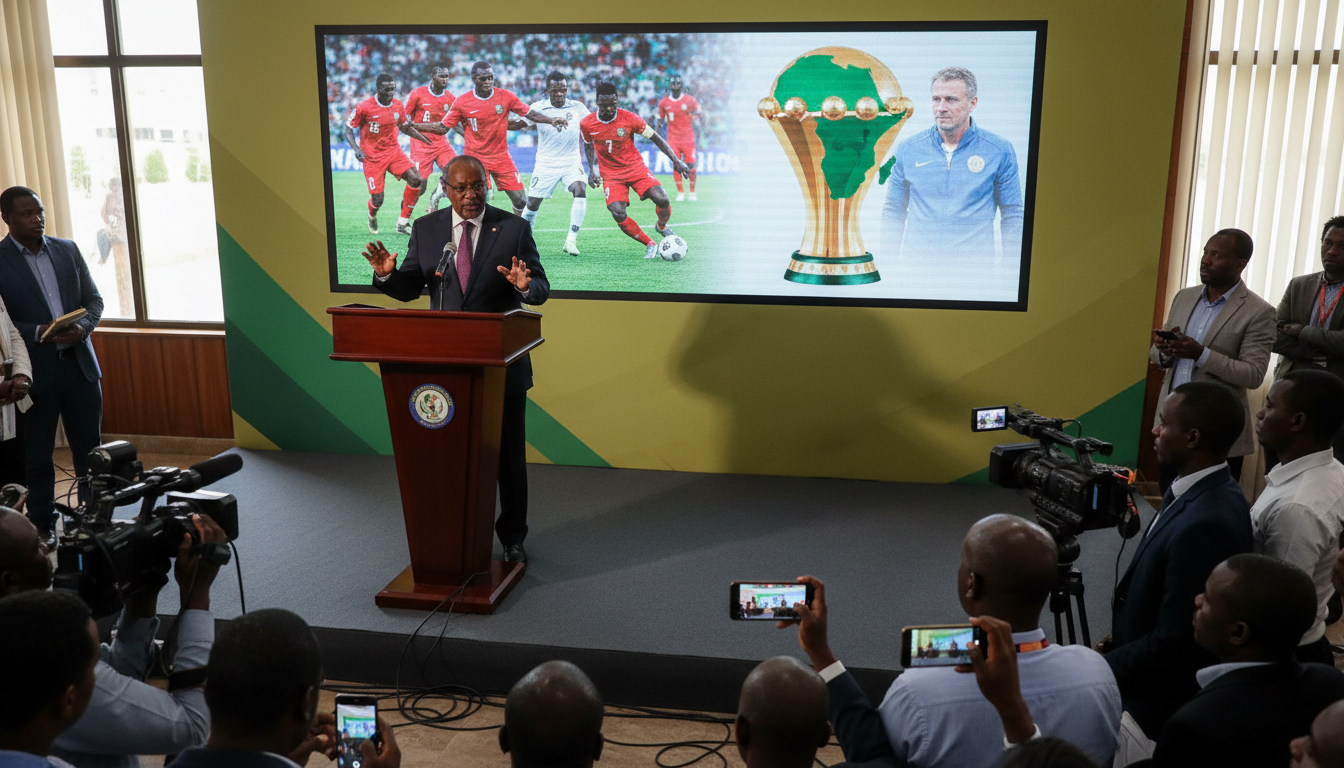
Rev. Luther Tarpeh, chairman of the Lone Star Mobilization Committee, said on Tuesday that the Liberia national football team must break a two‑decade pattern of short‑term coaching and administrative turnover to regain competitiveness. Tarpeh told a Ministry of Information briefing that chronic instability in technical leadership has undermined player development, morale and the national side’s ability to qualify for major tournaments. He urged immediate structural reforms, including the appointment of a professional foreign coach on a minimum five‑year contract, and pledged a public mobilization effort ahead of National Unification Day.
Tarpeh described recent team travel as symptomatic of the problems facing the Lone Star, saying several players reported unpaid hotel bills after a training trip to Morocco. The chairman said those welfare lapses damage perceptions of the national program and will deter players from committing to extended camps or international windows. He framed the Mobilization Committee’s campaign as both practical and symbolic, aimed at restoring financial discipline, technical continuity and the pride of supporters at home and in the diaspora.
Tarpeh Blames Two Decades of Coaching Instability
Rev. Luther Tarpeh told reporters that Liberia’s failure to qualify consistently for the Africa Cup of Nations and other major competitions stems primarily from a revolving door of coaches. He said short contracts, mid‑cycle firings and frequent staff turnover have prevented coherent long‑term planning for youth pathways and senior team tactics. Tarpeh compared the experience to a child moved between homes, arguing that intermittent leadership prevents players from assimilating systems and reaching peak performance.
He noted that intermittent coaching cycles make it difficult to implement scouting frameworks, sports science programs and age‑group linkages that underpin sustained progress. The committee chairman warned that without a shift to longer institutional horizons, successive short boosts of form or occasional upsets will not translate into qualification or tournament success. His prescription centers on stability as an engine for development rather than a cosmetic managerial fix.
Plan to Hire Foreign Coach on Minimum Five Year Deal
The Mobilization Committee is pushing for a professional foreign coach hired on a contract of at least five years to provide tactical direction and institutional memory. Tarpeh argued that a multi‑year appointment would allow the technical staff to rebuild a coherent playing philosophy, coordinate youth integration and attract foreign‑based professionals back to the national setup. The committee wants the Liberia Football Association and government to prioritize technical competence and contractual security in the recruitment process.
Tarpeh said the committee expects the new coach to oversee an expanded scouting network, implement modern training methodologies and work closely with Liberian academies and clubs to build a sustainable pipeline. He emphasized that a foreign appointment should not exclude strong Liberian assistants or a clear transfer of knowledge to local coaches. The approach is presented as a partnership model aimed at delivering measurable progress on the pitch and empowering domestic coaching structures over time.
Players Report Unpaid Bills and Welfare Concerns
Speaking from direct experience after traveling with the team to Morocco, Tarpeh raised concerns about the welfare of players on international assignments. He said some squad members returned from the trip with unresolved hotel accounts and that these practical failures reflect deeper administrative weaknesses. Tarpeh framed player welfare as a central issue that affects concentration, dignity and the overall professionalism of the national program.
The chairman warned that unresolved expenses and poor planning can create public embarrassment and discourage diaspora players from answering national call‑ups. He pressed the Liberia Football Association and government agencies to audit recent tours, settle outstanding liabilities and introduce transparent systems for travel, accommodation and per diems. Tarpeh said addressing welfare is a basic prerequisite for higher‑level reforms and a condition for any serious push toward qualification.
Mobilization Committee Sets $5 Million Target and May 14 Launch
Tarpeh estimated that an initial investment of roughly $5 million will be required to mount a credible campaign for Africa Cup of Nations qualification and to build the structures the committee envisions. The funds, he said, would support the coaching appointment, improved logistics for international windows, expanded scouting and targeted youth development programs. The committee plans to combine private sector fundraising, diaspora contributions and appeals to government partners to reach the stated goal.
The Lone Star Mobilization Committee will hold its official launch on May 14, Liberia’s National Unification Day, with a public parade from the Ministry of Health in Congo Town to the Samuel Kanyon Doe Sports Complex in Paynesville. Tarpeh described the event as both a fundraising and awareness campaign designed to bring citizens together around the national team. He invited Liberians at home and abroad to contribute financially and spiritually to a coordinated effort to restore the Lone Star’s competitiveness.
Appeal to Fans to Shift Focus from European Clubs to the Lone Star
Beyond technical and financial demands, Tarpeh made a cultural appeal for Liberians to reorient their football loyalty toward the national team. He urged fans to channel the same passion they reserve for European club competitions into cheering and supporting the Lone Star. Tarpeh said that public enthusiasm and consistent attendance at qualifiers can help raise player motivation, attract sponsorship and build a stronger home advantage.
Tarpeh acknowledged the deep affection Liberians feel for international club football but said patriotism must translate into tangible support for the national program. He suggested fan initiatives, community viewing events and diaspora fundraising drives as concrete ways to increase engagement. The Mobilization Committee will seek to coordinate with supporters’ groups, clubs and civic organizations to create sustained support mechanisms that last beyond a single campaign.
The chairman also invoked Liberia’s football heritage, referencing former President George Weah as a symbol of what Liberian talent can achieve on the world stage. Tarpeh used that legacy to argue that institutional shortcomings, not a lack of talent, explain the Lone Star’s struggles. He urged a national response that pairs fiscal responsibility with moral encouragement to give the current squad a real chance of turning form into results.
As part of its agenda the committee plans strengthened cooperation with the Liberia Football Association and government ministries to ensure accountability for travel logistics, contractual arrangements and fundraising disbursements. Tarpeh said the committee will press for published financial plans and regular updates to donors and the public. He emphasized that transparency will be critical to building trust and ensuring that any funds raised are applied directly to the team’s technical and welfare needs.
Tarpeh concluded by appealing for optimism and collective action, telling Liberians that the present squad is determined and deserves support. He framed the Mobilization Committee’s strategy as practical and patriotic, aimed at delivering a measurable return in the form of better preparation, improved morale and, ultimately, qualification for major regional tournaments. If the proposed reforms are implemented, he said, the Lone Star can begin to reverse a long run of missed opportunities.
Revamping the Liberia national football team will require financial investment, contractual stability and sustained fan engagement, the Mobilization Committee says, and the coming weeks will test whether those elements can be marshaled ahead of the May 14 public launch.