Ángel Torres praises Getafe season, sets 2028 departure and backs Bordalás amid coaching speculation
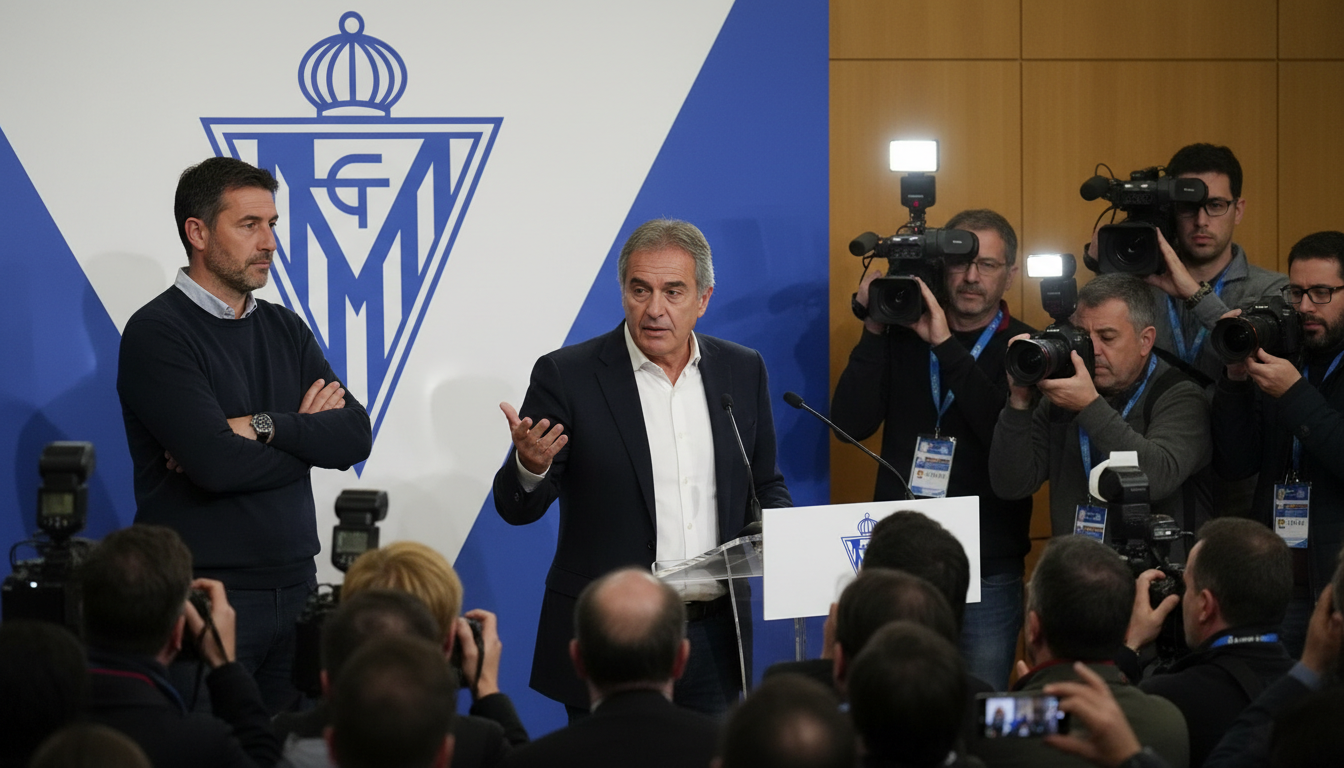
Getafe president Ángel Torres praised the club’s campaign as a "9", confirmed he will step down in 2028, and expressed optimism about manager José Bordalás staying for next season.


Ángel Torres opened by describing Getafe’s campaign as near-perfect, saying the club deserved a 9 for a season that exceeded expectations. He credited the squad, staff and wider structure for delivering sustained results that keep Getafe competitive in Spain’s top tier. Torres also confirmed a fixed timeline for his departure from the presidential role in 2028, while stressing continuity in the sporting project remains a priority. He flagged his confidence that head coach José Bordalás will remain in charge, though he said the final call rests with the manager.
Torres praises squad and season performance
Torres told Radio Marca that Getafe’s season merited a 9, calling the team’s performances "soberbio" and beyond what many anticipated. He highlighted the consistency of results and the resilience the squad showed against stronger, better-resourced opponents. The president framed the campaign as the product of planning and a clear sporting identity that has developed at the club.
He pointed to a broader sense of achievement across the institution, saying more could not reasonably have been expected given the club’s size and resources. That assessment underlines how Getafe’s season has been judged internally as a success, with the hierarchy publicly commending players, coaches and backroom staff.
Club marks a rare longevity in professional football
Torres emphasized Getafe’s notable place in Spanish football, noting the club has now spent 25 years in the professional ranks. He described that tenure as "something abnormal" in the modern game, reflecting on the rarity of sustained presence outside the traditional heavyweights. The president used the milestone to stress stability as a defining trait of the organization.
The comment framed Getafe’s recent campaign as part of a longer narrative of survival and gradual consolidation. That stability has translated into planning and investment decisions that aim to preserve the club’s top-flight status and build toward steady progress.
President confirms 2028 exit and defends infrastructure achievements
In a precise declaration of intent, Torres said he plans to step down from the presidency in 2028. He presented the timeline as a deliberate decision and linked it to the fulfillment of key club projects, including the stadium development. Torres defended critics who doubted the club’s plans for a new ground, saying skeptics can see the finished project as proof of delivery.
By publicizing a clear departure date, the president sought to provide transparency and allow the club to plan a smooth transition in leadership. He framed the announcement not as an abrupt withdrawal but as part of a long-term strategy to put Getafe on a sustainable footing.
Optimism over José Bordalás’ future at the club
Torres reiterated strong confidence in head coach José Bordalás, calling their relationship a productive "tandem" and comparing the manager to a member of the family. He said the decision about Bordalás’ continuation rests with the coach himself and suggested the club will address the matter swiftly once competitive objectives are resolved. The president added that while the club is not yet mathematically secure, when there is no longer anything at stake they will meet and resolve Bordalás’ future quickly.
Torres was cautious about naming possible replacements but stressed that the current dynamic with Bordalás remains positive. His public backing is notable at a time when managerial stability across LaLiga has been fragile, and it sends a signal of institutional support around the first-team coach.
Possible coaching alternatives referenced without commitment
While avoiding a firm confirmation on succession planning, Torres acknowledged the names of Aleksandar Paunovic and Mauro Camoranesi Celestini—referred to in some circles as Paunovic and Celestini—as figures the club has previously appreciated. He described both as former players he holds in high regard, underlining that they are part of the conversation should a change become necessary. Torres declined to elaborate on any formal approach or shortlist, keeping the club’s options open.
The measured reference to potential candidates suggests Getafe is mindful of continuity and cultural fit when evaluating coaching profiles. It also reflects a pragmatic approach: public recognition of options without destabilizing the present situation while the season still has business to complete.
Torres sidesteps Real Madrid turmoil and focuses on Getafe priorities
Although a member of Real Madrid, Torres refused to be drawn into discussing the publicized internal disputes at that club. He said Getafe has enough of its own concerns and offered a more general critique about wider changes in football, implying that leadership behavior among elite clubs affects the sport as a whole. Torres recommended restraint and a focus on resolving matters internally rather than airing divisions publicly.
His stance reinforced a distinction between his personal affiliations and his responsibilities as Getafe president. By choosing not to wade into the Real Madrid controversy, Torres redirected attention to Getafe’s strategic goals, including European qualification ambitions and the operational challenges that accompany sustained top-flight competition.
Implications for Getafe’s short- and medium-term planning
Torres’ statements carry immediate practical implications for the club’s planning cycle. Publicly committing to a 2028 exit creates a firm horizon for governance change, enabling the board and stakeholders to map succession scenarios and ownership questions. The endorsement of Bordalás, coupled with named alternatives, outlines a continuity-first approach to sporting leadership that prioritizes minimal disruption.
At the same time, the president’s assessment of the season and the completion of the new stadium strengthen Getafe’s position when entering transfer market negotiations and commercial conversations. The twin messages of on-field success and infrastructural delivery enhance the club’s bargaining power in a competitive environment.
Final paragraph
Looking ahead, Getafe must balance immediate competitive priorities with the structured transitions Torres has signalled, keeping the focus on results while preparing for leadership and sporting continuity as the club approaches 2028.