Kamuzu Stadium Safety Row: FAM Demands Fresh Structural Assessment as FDH Bank Suspends K7.5bn Sponsorship
FAM has ordered a new structural safety assessment of Kamuzu Stadium after inspectors reported serious hygiene and infrastructure failures, prompting match postponements and a major sponsor pullback.

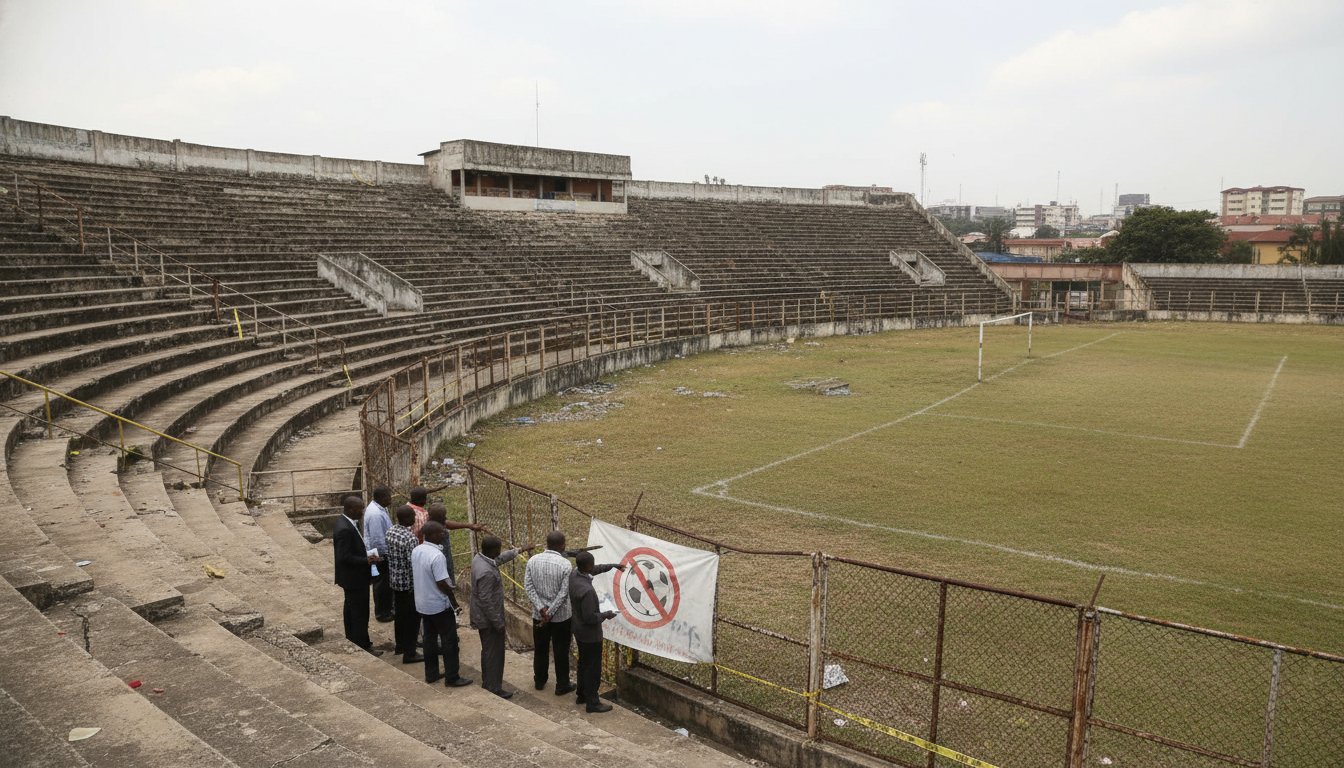
Kamuzu Stadium, the national venue in Blantyre, has been placed at the centre of a national debate after the Football Association of Malawi (FAM) refused to endorse the venue for top-flight fixtures without an immediate structural reassessment.
The association’s directive followed a formal notice outlining a range of safety, sanitation and operational deficiencies that officials say compromise matchday safety and integrity.
FAM demands immediate structural reassessment
FAM’s competitions and club licensing office has formally told the Ministry of Youth, Sports and Culture that Kamuzu Stadium must undergo a fresh structural safety inspection before it can host elite matches again.
The association pointed to a 2012 inspection that identified cracks in the eastern stands and warned those areas could be unstable, and it says conditions have deteriorated in the years since that assessment.
In a letter to government authorities, FAM catalogued multiple operational and safety failings that go beyond cosmetic repair, urging prompt technical verification of the stadium’s load-bearing elements.
The association emphasized that without contemporary engineering clearance, continuing to stage high-attendance fixtures would be irresponsible.
Specific facility failures listed by football authorities
FAM’s submission to the ministry detailed practical failures affecting player welfare, spectator hygiene and match operations, including blocked VIP toilets and vandalised seats in the public stands.
Officials also noted damaged dressing-room facilities, broken substitute benches and a scoreboard that is no longer functional, arguing these deficiencies hamper basic match delivery and public safety.
Those operational shortcomings, FAM said, are symptomatic of wider neglect and cannot be separated from structural concerns, since failing utilities and vandalism increase the risk of harm in an ageing venue.
The association framed its stance as protective rather than punitive, stressing the need to safeguard fans, players, sponsors and public investment in the game.
Ministry response: inspections planned, partial repairs under way
The Ministry of Youth, Sports and Culture has acknowledged receipt of FAM’s concerns and confirmed it will deploy technical experts to assess the stadium’s condition.
A ministry spokesperson said teams are already discussing a route map for verifying structural soundness and that some remedial work — including repairs to benches, the scoreboard and sanitation systems — has been carried out.
Officials have not yet committed to a timeline for a comprehensive structural appraisal, saying deliberations over scope and funding remain ongoing.
The ministry’s statement stopped short of accepting FAM’s ultimatum in full, and discussions are continuing about when and how an independent engineering evaluation will be completed.
Commercial fallout: FDH Bank halts K7.5bn sponsorship package
The dispute has triggered a significant commercial consequence after FDH Bank plc announced suspension of a reported K7.5 billion sponsorship package covering football, netball, national teams and school sports.
The bank said the public disagreement between football authorities and other stakeholders had undermined the credibility of its partnership and damaged its brand, prompting a pause in funding while it reviews the relationship.
The FAM stance also led to immediate sporting disruption, with the launch match of the FDH Bank Premiership between Mighty Wanderers and Karonga United postponed as stakeholders sought clarity on venue eligibility and safety conditions.
Clubs and competition organisers now face an uncertain calendar and the prospect of further fixture changes while the stadium’s status is resolved.
Historical context and the limits of nostalgia
Kamuzu Stadium has served as Malawi’s flagship football venue for more than seven decades, a status that has made it both central to the sport’s history and vulnerable to deferred maintenance.
Using a 71-year-old structure for high-attendance events exposes the challenge common to many legacy venues: cultural attachment can obscure the technical reality that older concrete and steel require frequent, expert inspection.
The last formal structural review in 2012 flagged worrisome deterioration in parts of the stadium, yet the facility continued to host major matches after repairs and public pressure.
FAM’s current insistence on a new clearance forces a national reckoning about whether pride in a historic ground should outweigh the imperative of modern safety standards.
Impact on clubs, fans and the domestic calendar
The immediate effect of the safety dispute is practical and financial for clubs that rely on Kamuzu Stadium as a home ground or as a venue for marquee fixtures.
Postponed fixtures create scheduling headaches, increase travel burdens, and raise costs for teams and matchday staff, while uncertainty deters spectators and undermines commercial planning.
Fans face the disappointment of delayed matches and the prospect of relocated fixtures with altered ticketing and transport arrangements.
For smaller clubs and community programmes that depend on predictable sponsorship flows, the pause in FDH Bank’s funding creates broader risk to youth development and non-professional competitions tied to the sponsorship package.
Paths ahead: inspection, repair, or replacement
Resolving the crisis will require an independent structural engineering appraisal to establish whether Kamuzu Stadium can be certified safe for elite competition.
If engineers confirm the stands and core fabric remain sound, the ministry and FAM will need to agree on a clear, funded remediation plan that addresses both the structural issues and the numerous operational failings documented by football authorities.
Should the assessment reveal major structural defects, decision-makers will face a more difficult choice: undertake substantial renovation, which will demand time and significant capital, or accelerate plans for a modern replacement facility.
Either option will require coordinated funding from government, private sponsors and football stakeholders, paired with transparent project management to restore confidence in the venue and in the institutions that oversee the game.
Fans, clubs and commercial partners will also look for concrete timelines and independent oversight to ensure repairs are completed to recognised safety standards.
Clear communication about inspection results, costs and scheduled works will be essential to prevent further erosion of trust and to secure the return of suspended sponsorships.
A national stadium is both a sporting asset and a public responsibility, and the current standoff over Kamuzu Stadium highlights the risks of deferred maintenance in high-profile infrastructure.
Restoring the venue to a reliable standard will require technical scrutiny, financial commitment and political will, but the alternative — allowing elite competition to continue without up-to-date assurance — poses a risk that stakeholders have signalled they are no longer willing to accept.
The coming weeks will be decisive: a timely, transparent engineering report and a funded plan for repairs could re-open the stadium and stabilise the domestic season, while delays or equivocation may extend the suspension of elite matches and deepen the sponsorship crisis.
Whatever path is chosen, officials have underscored that fan and player safety must guide decisions about Kamuzu Stadium’s future.