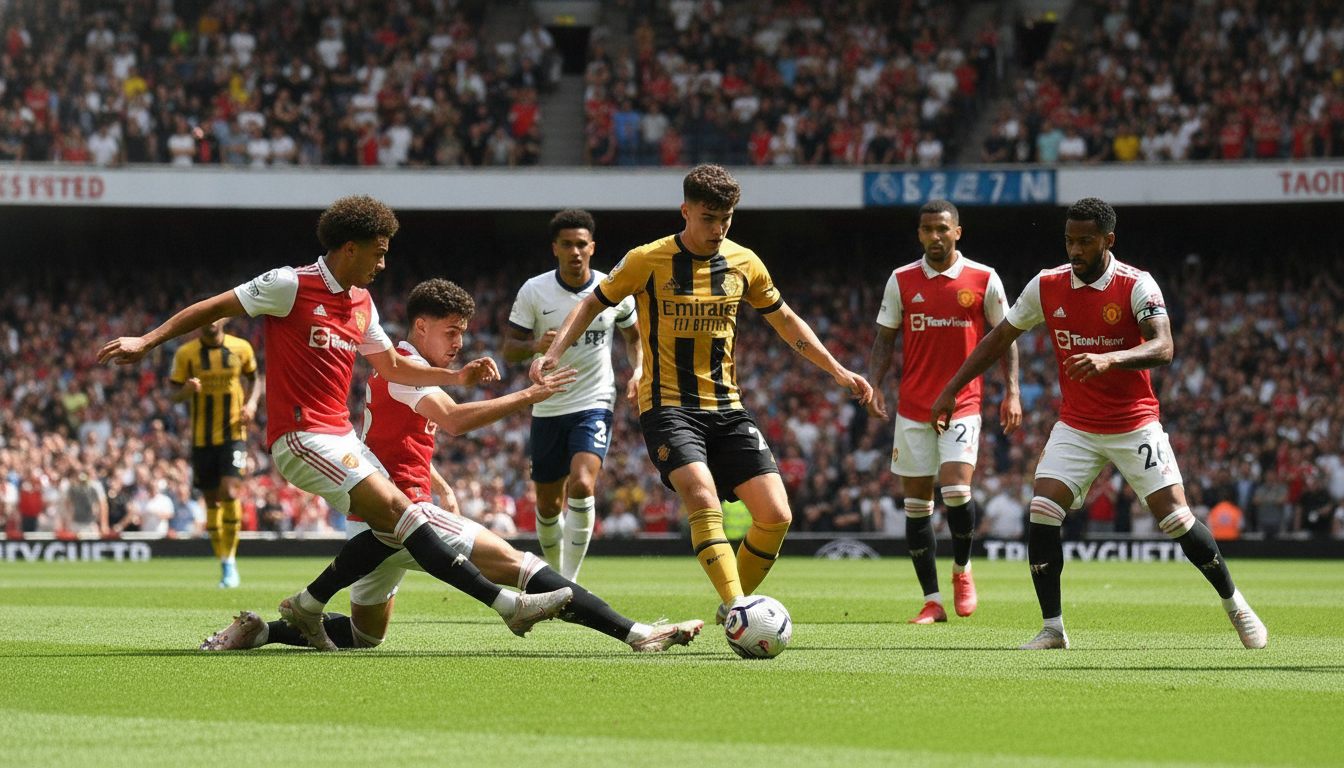
Morgan Gibbs-White transfer sparks multi-club chase with Man United, Arsenal and Spurs among suitors
Morgan Gibbs-White transfer triggers multi-club interest; Man United, Arsenal and Tottenham among suitors as Nottingham Forest assess valuation, squad plans.


Morgan Gibbs-White is at the centre of a growing transfer story as a number of leading European clubs monitor his situation at Nottingham Forest. Reports indicate Manchester United, Arsenal and Tottenham remain interested in the attacking midfielder, while additional suitors are said to include several top domestic and continental sides. Forest, however, view Gibbs-White as a key figure in their project and are unlikely to allow a sale without a significant valuation that reflects his recent form. The player’s breakout 2024/25 season — 18 goals and seven assists in 53 appearances — has helped spark the multi-club interest.
Premier clubs intensify interest
Sources close to the market suggest a crowded field of potential buyers for Gibbs-White, with Manchester United, Arsenal and Tottenham among the more persistent English suitors. Interest is reported to extend beyond the Premier League, with top clubs in Europe monitoring his development and fitness profile. Clubs are understood to be weighing tactical fit, squad balance and financial capacity before making formal offers. The level of attention has elevated Gibbs-White’s standing in transfer conversations this summer.
Several elite teams are believed to be prepared to enter formal negotiations should Nottingham Forest signal flexibility, though the exact makeup of that group is fluid. The player’s age, versatility and recent productivity make him an attractive target for clubs seeking midfield creativity and goal threat. Any concrete approach will likely involve significant fees and a clear plan for integrating him into the squad. Timing and competing priorities across interested teams will be factors in whether a transfer materialises.
Nottingham Forest’s contract position and strategy
Nottingham Forest regard Gibbs-White as a cornerstone of their squad and have signalled little appetite to weaken the dressing room without substantial compensation. The midfielder has two years remaining on his contract, which gives the club leverage in negotiations and the option to extend or hold for a higher fee. Club leadership is reported to be focused on long-term stability and on-field continuity, particularly after investing in recent recruitment and infrastructure. Forest’s stance will be central to any transfer outcome.
Complicating the market picture are the club’s broader summer plans, including the potential sale of other high-value assets to help fund investment or balance books. While one high-profile departure has been linked with significant revenue expectations, Forest officials are understood to be cautious about allowing multiple exits that would hamper sporting progress. That strategic posture means interested clubs may need to prepare elevated offers or alternative proposals to persuade Forest to part with a key player.
Breakout 2024/25 campaign underlined value
Gibbs-White’s statistical return in the 2024/25 season marked a clear step forward, with double-digit goals and a strong assist tally across all competitions. His increased end-product and consistency provided clear evidence of development from his earlier years in the Premier League. That season reinforced his reputation as an attacking midfielder who can both create and finish chances, improving his market valuation. Form over a full campaign is a central reason why multiple top teams view him as a realistic target.
Beyond raw numbers, Gibbs-White’s performances in high-profile matches attracted attention and helped change the perception of him from promising talent to established Premier League contributor. Scouts and analysts cite his ability to influence tight games and supply decisive actions in the final third. Sustained fitness and availability last season also added to his appeal, as clubs prioritise players who can maintain intensity over a demanding schedule. The 2024/25 campaign therefore sits at the heart of discussions about his next step.
Playing profile and tactical adaptability
Gibbs-White is noted for his energy, technical range and ability to operate across multiple attacking roles, qualities that increase his suitability for different managers. He can function as an advanced playmaker, operate off a striker, or provide width when required, giving coaches tactical flexibility. His passing range includes accurate long balls and incisive through passes, while his movement and finishing have improved markedly. Additionally, his work rate and pressing make him a fit for teams that demand defensive contribution from attacking players.
That versatility has practical value in the transfer market, where adaptability can reduce the time needed for a player to settle into a new setup. Clubs planning squad rotations for domestic and European campaigns often prize such multi-role profiles. However, potential buyers will assess whether his primary strengths align with their preferred formation and whether he can replicate his Forest role within a different tactical framework. These considerations will influence interest and the nature of any formal approach.
Transfer valuation and market dynamics
Market observers expect any realistic bid for Gibbs-White to be substantial, reflecting both his recent output and the competition for his services. Nottingham Forest’s reported reluctance to sell and the player’s contract length give the club a strong negotiating position. In an inflated market environment where British transfer records have been challenged, a sale — if it happens — could command nine-figure numbers. Interested clubs must balance transfer fee expectations with wage structures and wider transfer windows activity.
Financial context matters: clubs chasing elite-level additions also face constraints from budgeting, wage control and the sequencing of incoming and outgoing deals. The reported potential sale of another Forest asset for a large fee illustrates how one high-profile transfer can reshape a club’s summer priorities. For buyers, the calculus includes both the direct cost of acquiring Gibbs-White and the opportunity cost of allocating funds to him versus other targets. That dynamic may determine whether negotiations progress to a completed transfer.
Timing, likely destinations and negotiation outlook
Any move for Gibbs-White would likely unfurl during the summer transfer window, when clubs finalise squads and reset tactical blueprints for the coming season. Manchester United, Arsenal and Tottenham are clear domestic candidates given their stated needs for midfield creativity and attacking options, though each club’s internal priorities and recruitment pipelines will shape their appetite. Continental suitors may offer different tactical roles and financial leverage, complicating the race. Ultimately, the decision will involve player preference, club valuation and a clear pathway for playing time.
Negotiations could take different forms, from immediate bids to structured approaches that include add-ons or player exchanges to bridge valuation gaps. Forest’s strategy will be decisive, as will the player’s willingness to relocate and the competitive prospects offered by suitors. If clubs are unable to meet Forest’s demands, Gibbs-White could remain for another season and continue to increase his value. Alternatively, a well-timed, substantial offer combined with assurances on the player’s role could trigger a departure.
The summer ahead will reveal whether Morgan Gibbs-White moves to a higher-profile club or remains the creative heartbeat of Nottingham Forest as the club seeks to build on recent progress.