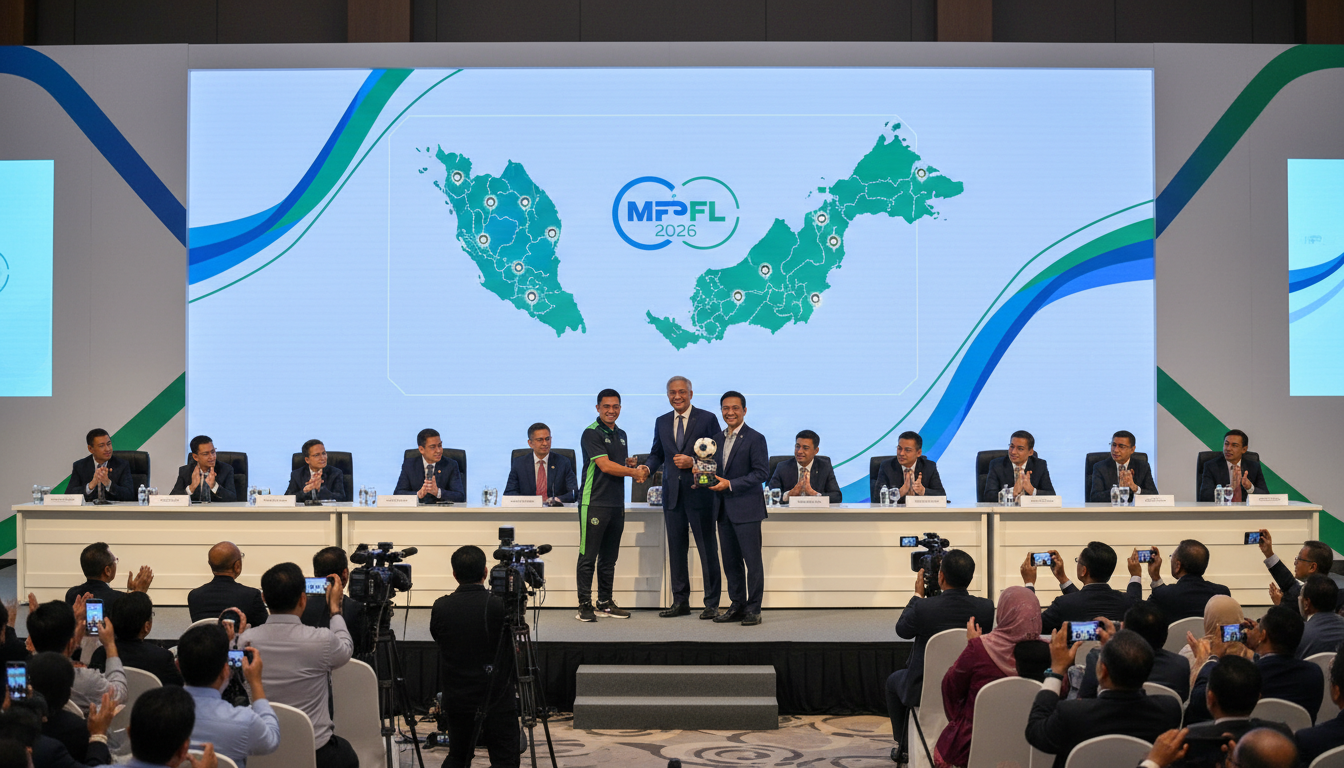
MPFL 2026 to Kick Off in Johor as Nine Teams Prepare for Centralised Season
MPFL 2026 kicks off May 16 in Johor as nine teams compete in a centralised, two-round format running to October 31; schedule, format and implications explained.


The Malaysian Premier Futsal League (MPFL 2026) will open on May 16 in Johor with nine clubs confirmed to contest a centralised season that departs from the traditional home-and-away model. The decision to stage fixtures at a single location aims to condense the calendar and streamline operations across the two-round competition that concludes on October 31, 2026. Clubs, players and officials will adapt to an intensified schedule and an environment intended to elevate the domestic futsal product.
Kickoff and Key Dates Confirmed
The season opener is set for May 16, 2026, with final league matches scheduled for October 31, 2026. The calendar establishes a clear window for the two-round format and allows stakeholders to plan travel, training and player registration around a defined competition period.
Moving the league to a centralised venue compresses match travel and provides a consistent playing environment for the duration of the season. League administrators have emphasized the benefits of predictability for teams and broadcasters, as well as reduced logistical complexity compared with the staggered home-and-away approach.
Nine Teams Enter the Title Race
Nine clubs have been officially confirmed for MPFL 2026, creating an odd-numbered lineup that will influence scheduling and bye weeks across the two rounds. The reduced field reflects a targeted approach to quality and manageability as the league shifts to its centralised model.
Teams will visit the staging venue repeatedly through the season, facing opponents across two rounds that determine league standings. Officials say the roster of teams preserves competitive balance while allowing organizers to focus resources on matchday presentation and player welfare.
Centralised Venue Model and Format Details
For the first time in its recent history, the MPFL will be held entirely at a centralised location rather than through home-and-away fixtures. The two-round league format will see each club play across the same neutral site, aiming to equalize conditions and reduce the travel burden inherent to nationwide schedules.
The centralised approach typically brings operational efficiencies, including shared training facilities, consolidated medical services and uniform pitch standards. It also requires careful planning to manage pitch wear, scheduling conflicts and the physical demands on players who will play multiple fixtures in condensed windows.
Competitive and Tactical Implications for Clubs
A centralised schedule and two-round format change the competitive calculus for coaches and sporting directors. Teams must manage player rotation more deliberately, with recovery protocols and squad depth becoming central to sustained performance over the six-month campaign.
Coaches may shift tactical emphasis toward high-intensity, short-burst strategies suited to repeated matches in the same venue. Conditioning programs and substitution patterns will likely be adapted to mitigate fatigue and maintain sharpness through back-to-back fixtures that are common in centralised competitions.
Logistics, Broadcasting and Fan Access
Organizers have signaled that the centralised model will help streamline broadcast arrangements and create a more coherent media product for domestic and regional viewers. A fixed venue simplifies camera setups, commentary logistics and sponsorship activation compared with dispersed home stadiums.
For fans, the format offers concentrated access to live action if they can travel to the host city, but it may limit local supporters who previously saw matches in their home towns. League authorities will need to balance ticketing, transport and fan engagement initiatives to ensure sustained attendance and atmosphere throughout the season.
Player Development and Regional Ambitions
By establishing a structured, centralised season, the MPFL 2026 campaign presents an opportunity to raise domestic standards and better prepare Malaysian players for regional competitions. Consistent match conditions and a prolonged competitive window can enhance scouting, development and team cohesion across clubs.
The league’s calendar through October provides a platform for identifying talent for national team programs and for clubs to plan youth integration. Sustained exposure in a centralised format may also attract attention from sponsors and regional partners seeking stable, high-quality futsal content.
The league’s organizers will monitor the MPFL 2026 season closely to evaluate whether the centralised model achieves intended outcomes in player welfare, commercial returns and competitive quality. Early indicators during the opening rounds will be particularly important for adjustments later in the campaign.
The MPFL’s move to Johor for the opening fixture underscores the state’s growing role as a regional sports hub and reflects organizers’ desire for reliable infrastructure. As the season progresses, the league will report on attendance, broadcast reach and any operational changes needed to optimize the centralised approach.
Fans and club officials alike will watch how the condensed schedule affects match intensity and injury management, while sporting directors will assess whether the format benefits long-term team planning. The strategic shift also presents a chance for the MPFL to refine its product as futsal gains popularity across Southeast Asia.
The centralised season offers a test case for future editions, and league authorities have indicated that outcomes from MPFL 2026 will inform planning for subsequent campaigns. Stakeholders are expected to gather data on competitive balance, commercial performance and fan engagement to determine the format’s sustainability.
Players, coaches and clubs will enter the opening rounds with clear objectives: secure points early, manage squad fitness rigorously, and adapt tactically to the rhythm of repeated fixtures. The first month of competition will likely reveal which teams have best prepared for the demands of centralised play.
MPFL 2026 presents a pivotal moment for Malaysian futsal as it combines a compact calendar with a targeted field of nine teams. The season’s approach will be judged on its ability to deliver competitive matches, protect player health and expand the league’s appeal to fans and regional partners.