USM Alger through to CAF Confederation Cup final after 1-1 draw at Olympique Safi
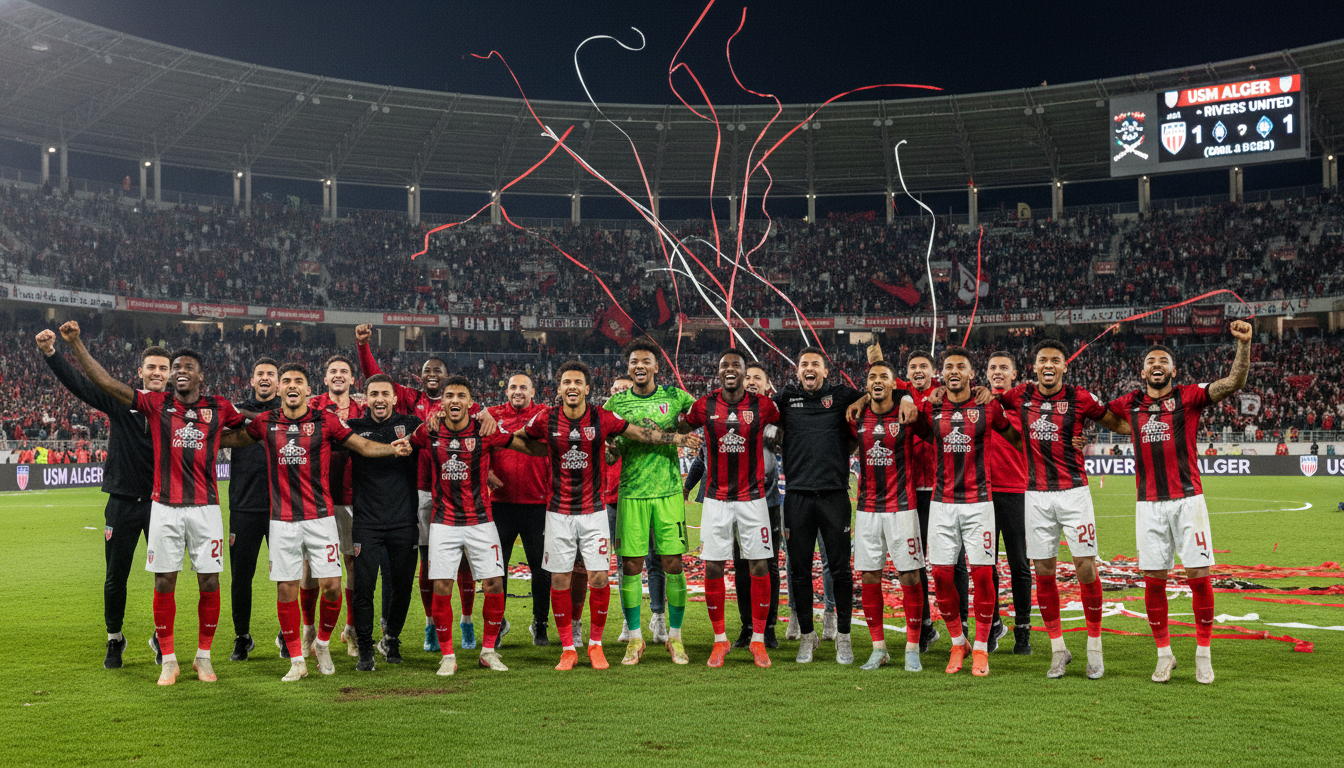
USM Alger reached the CAF Confederation Cup final following a 1-1 draw at Olympique Safi, becoming the first Algerian club to reach two finals and underscoring a campaign built on efficiency and resilience.
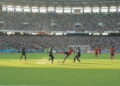

USM Alger secure place in the final with away draw
USM Alger completed the semi-final tie with a 1-1 draw in Safi to advance to the CAF Confederation Cup final on aggregate. The result made them the first club from Algeria to reach the competition’s showpiece for a second time, confirming their re-emergence as a continental force. The tie was decided as much by finishing and discipline as by open play, with USM Alger’s clinical moments outweighing Safi’s statistical superiority.
Historic milestone for Algerian club football
Reaching a second Confederation Cup final represents a landmark achievement for USM Alger and Algerian club football more broadly. The side previously captured the title in 2022-23 and have now etched a rare repeat appearance into their continental résumé. That milestone will be viewed domestically as validation of the club’s long-term planning and its capacity to compete beyond national borders.
Olympique Safi dominated chances but could not convert
Across the two legs, Olympique Safi registered a total of 41 shots yet managed only a single goal, an output that starkly contrasts with their territory and opportunity numbers. The tie’s expected goals figure of 3.4 for Safi highlights how the Moroccan side created quality openings but failed to capitalise at crucial moments. Their inability to turn volume into returns ultimately cost them a place in the final despite sustained pressure and superior shot counts.
A run of draws and fine margins define Safi’s campaign
Olympique Safi’s progression to the semi-finals had been built on consistency, but recent form left them frustrated by missed chances and tight outcomes. They became the first team in a single edition of the CAF Confederation Cup to record five consecutive draws, a sequence that illustrates how marginal differences decided several of their ties. That run masked the underlying vulnerability in clinical finishing and highlighted the competition’s fine margins where a single moment can swing an entire tie.
Substitutes and marginal gains: Moussa Koné’s impact
Moussa Koné emerged as a decisive figure off the bench across the campaign, finishing as the tournament’s top super-sub with three goals as a substitute. Remarkably, those three goals came from just three shots on target, underscoring Koné’s efficiency and his ability to change games in limited minutes. His contributions underlined how targeted substitutions and bench management became a tactical advantage for teams navigating tightly contested knockout fixtures.
Set pieces and penalties tilt the balance
USM Alger’s record from the penalty spot has been an important factor in their Confederation Cup progress, with the club among those awarded the joint-most penalties (five) since the start of last season and converting four of them. That proficiency from the spot has provided an extra dimension to their attack, allowing them to transform refereeing interventions into decisive scores. In competitions decided by small margins, reliable penalty-taking and calmness in decisive moments can outweigh statistical dominance.
First-half intensity and early shot glut in Safi tie
The opening 45 minutes of the second leg produced an unusually high volume of attempts, with 17 shots between the sides—10 for Olympique Safi and seven for USM Alger—matching the joint-most in any opening half of this season’s competition. That early flurry suggested an encounter likely to produce a high-scoring conclusion, yet the remainder of the tie settled into defending, substitutions and set-piece moments that dictated the final outcome. The contrast between first-half urgency and second-half caution was emblematic of two teams balancing ambition with caution.
Head-to-head edge and seasonal comparisons
USM Alger maintained a clear head-to-head advantage over Safi in this season’s meetings, remaining unbeaten across four encounters (three draws, one defeat for Safi). Those results reflect a pattern in which USM Alger managed to extract the necessary outcomes across different settings and phases of matches. While Safi out-shot their opponents across the tie, the Algerian side’s capacity to survive pressure and deliver decisive interventions proved more consequential.
Tactical adjustments and game management in the second leg
Tactically, USM Alger appeared to prioritize structural balance and defensive compactness after taking the lead on aggregate, while Safi repeatedly sought openings through width and increased shot volume. Managerial substitutions, including the introduction of match-changing attackers, shifted momentum but could not convert numerically dominant spells into the goals required. The game ultimately hinged on moments—set pieces, quick transitions and the quality of finishing—rather than a wholesale tactical overhaul.
Implications for the final and continental reputation
USM Alger’s progression to the final consolidates their standing as one of the continent’s consistent performers in recent seasons and places them within reach of another major trophy. For Algerian football, the achievement strengthens the perception of domestic clubs being well-prepared to compete at the Confederation Cup level. The victory also places added pressure on the squad to replicate or better last season’s success, with expectations now shifting toward delivering a title in the final.
USM Alger will now prepare for the decisive match that determines the 2025-26 CAF Confederation Cup champion, carrying forward the confidence that comes from efficient finishing, resilient defending and effective game management.